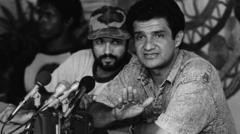
Brooklyn Rivera, a prominent Nicaraguan indigenous leader and environmental activist, has died at age 73 following three years of arbitrary imprisonment under President Daniel Ortega's regime. Rights organizations have condemned the death, which they attribute to the harsh conditions of his detention.
Rivera held significant influence within Nicaragua's Miskito indigenous community along the Caribbean coast. He spent decades advocating for indigenous land rights and environmental protection in a region rich with natural resources that the government has repeatedly sought to exploit or control. His arrest in 2021 came as part of a broader crackdown on dissent under Ortega, who has imprisoned hundreds of political opponents, activists, and religious figures since 2018.
International human rights groups, including Amnesty International and Human Rights Watch, have documented systemic torture, denial of medical care, and overcrowding in Nicaraguan prisons. Rivera's death marks another casualty in what observers characterize as a deliberate campaign to silence indigenous voices and environmental opposition to extraction industries.
The timing underscores the vulnerability of indigenous leaders in Central America, where land disputes, mining projects, and resource competition frequently pit communities against authoritarian governments. Rivera's case gained international attention, but advocates argue that outside pressure proved insufficient to secure his release or adequate prison conditions.
His death removes a leading figure from Nicaragua's indigenous movement at a moment when the country faces mounting diplomatic isolation. The Ortega government has expelled foreign observers, restricted press freedom, and dismissed international criticism of its human rights record. Indigenous communities continue facing threats to territorial sovereignty and environmental degradation, with few remaining advocates of Rivera's stature to articulate their demands on the world stage.