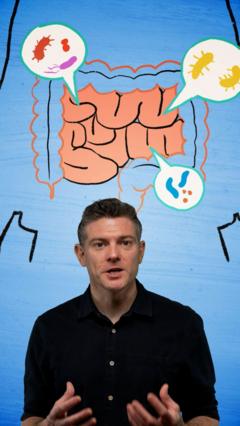
The gut microbiome influences emotional regulation and mental health through a bidirectional communication system called the gut-brain axis. Professor Jon Swann of biomolecular medicine explains that the roughly 100 trillion bacteria living in your digestive tract produce neurotransmitters like serotonin and GABA, which directly affect mood, anxiety, and stress response.
This relationship works both ways. Your brain sends signals down to your gut via the vagus nerve, which can alter digestion and microbial composition during stress. Meanwhile, your gut bacteria send chemical signals back up, impacting everything from depression to cognitive function. Research shows that people with depression and anxiety often have different bacterial profiles than healthy individuals.
The enteric nervous system, sometimes called the second brain, contains roughly 500 million neurons embedded in your gut lining. This system operates semi-independently, meaning your digestive tract can make decisions without consulting your central nervous system. Disruptions to this balance, known as dysbiosis, correlate with conditions like irritable bowel syndrome, depression, and even autism.
Diet shapes this microbial ecosystem substantially. High-fiber foods, fermented products, and diverse plant-based ingredients promote beneficial bacteria growth and increase production of short-chain fatty acids that protect the gut barrier and influence brain chemistry. Conversely, processed foods and excessive antibiotics deplete microbial diversity, potentially contributing to mood disorders.
Understanding the gut-brain connection reshapes how clinicians approach mental health treatment. Probiotic interventions, dietary modifications, and lifestyle changes now complement traditional psychiatric care. While individual responses vary, the evidence increasingly supports nurturing your microbiome as a practical strategy for emotional wellbeing.