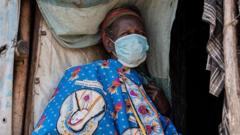
Doctors Without Borders (MSF) raised urgent alarms over the accelerating Ebola outbreak in the Democratic Republic of Congo, warning of a "deeply alarming" trajectory as the World Health Organization's director-general visited the hardest-hit zones. The medical charity flagged deteriorating conditions on the ground, including overwhelmed treatment facilities and challenges in containing viral spread across affected communities.
The MSF statement arrived during a critical phase of the outbreak, with cases mounting faster than containment efforts could manage. Treatment centers operated by the charity and partner organizations faced resource constraints, staffing shortages, and logistical obstacles in reaching isolated populations. MSF highlighted gaps in community trust and access issues that allowed the virus to move through villages unchecked.
The WHO's field visit signaled international concern at the highest level. The organization has historically played a coordinating role during major Ebola crises, working with local health authorities to establish surveillance networks, train rapid-response teams, and deploy vaccines. The DRC's remote geography and recent security instability complicated these efforts significantly.
Prior Ebola outbreaks in the DRC, including the 2014-2016 West African crisis's spillover effects and more recent flare-ups, established response playbooks. However, each outbreak presented distinct challenges. This particular surge suggested those lessons were not fully preventing transmission.
MSF's characterization of the situation as deeply alarming carried weight within epidemic response circles. The charity operates on the frontlines and maintains credibility earned through decades of crisis interventions. Their assessment indicated the outbreak had crossed a threshold where standard containment measures risked becoming insufficient without rapid escalation of resources and coordination.
The combination of MSF's stark warning and WHO's on-site engagement reflected a moment of reckoning for the international health system's ability to suppress what remained a deadly pathogen.