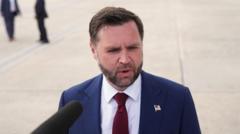
Vice President JD Vance signaled on Tuesday that negotiations between the US and Iran have reached an advanced stage but remain incomplete. Vance told reporters the two nations stand "very close" to a deal while cautioning that "we're not there yet," reflecting the delicate final phases of talks.
US officials confirmed to the BBC that negotiators have hammered out a framework for a ceasefire extension, though the agreement hinges on formal approval from both the Trump administration and Iran's leadership. The framework represents months of diplomatic work following escalating tensions between Washington and Tehran.
The statement arrives as Trump takes office, with his administration signaling openness to continued dialogue. Vance's measured tone suggests officials believe a breakthrough remains within reach, but differing priorities on both sides continue to complicate final terms. Iran has demanded guarantees on sanctions relief and humanitarian corridors. The US has pressed for commitments on Iran's nuclear program and regional military activities.
A ceasefire extension would build on earlier agreements to pause hostilities and prevent further regional destabilization. Success could reshape Middle East dynamics and ease global oil markets, which have remained volatile amid uncertainty.
If approved, the deal would represent a rare moment of diplomatic progress between longtime adversaries. However, domestic opposition exists on both sides. Iranian hardliners have resisted concessions to Washington, while some Trump administration figures remain skeptical of engagement. The window for agreement appears narrow, with both sides facing pressure to close negotiations before political calculations shift.