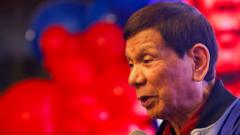
Former Philippine President Rodrigo Duterte will face trial before the International Criminal Court starting November 30 on charges stemming from his brutal war on drugs that left thousands dead. The ICC investigation centers on extrajudicial killings carried out during his 2016-2022 presidency, when police and vigilantes killed an estimated 6,000 to 30,000 people in anti-narcotics operations.
Duterte maintains the deaths resulted from legitimate police actions during drug busts and self-defense incidents. He has consistently denied involvement in state-sponsored killings and previously withdrew the Philippines from ICC jurisdiction in 2019, though the court has proceeded with its investigation. Philippine authorities conducted their own inquiries into the drug war killings but brought no charges against the former leader.
The trial marks a watershed moment for international accountability. Few sitting or former leaders face ICC prosecution for domestic crimes, and the court rarely moves to charge ex-presidents without their home country's cooperation. The Philippines under current President Ferdinand Marcos Jr. has not intervened to protect Duterte, signaling a potential shift in the country's political alignment.
Duterte's drug war commanded widespread public support during his tenure, with many Filipinos backing his aggressive stance on narcotics trafficking. His successor Marcos won office partly on promises to continue tough-on-crime policies, yet allowed the ICC process to proceed unchecked. This creates tension between domestic politics and international law.
The trial's outcome carries implications for global norms around extrajudicial killings and state violence. If convicted, Duterte faces potential imprisonment, though enforcement depends on cooperation from governments where he might travel. The case also signals the ICC's willingness to investigate major crimes regardless of political obstacles, though critics argue the court remains selective in pursuing cases against leaders from developing nations.