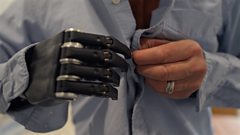
A medical expert is pushing prosthetics into new territory by testing advanced prototypes that move beyond conventional limb replacement. McCallum's investigation examines how cutting-edge technology, likely involving robotics, materials science, or neural integration, is reshaping what's possible for amputees and limb-loss patients.
The shift reflects a broader industry trend. Companies like Össur and Ottobock have invested heavily in motorized prosthetics with AI-assisted gait control. Neural-interfaced limbs, which read electrical signals directly from the user's nervous system, remain largely experimental but show promise in clinical trials. The prosthetics market grew substantially during the pandemic as telehealth consultations made fitting more accessible, and venture capital began funding startups targeting prosthetic innovation.
This moment matters for several reasons. Traditional prosthetics offer limited functionality and require significant physical adjustment from users. Advanced versions restore natural gait patterns, reduce joint strain, and improve quality of life. For younger patients especially, better prosthetics mean fuller participation in daily activities and work.
The expert profiled here likely operates within the UK's NHS framework or a private research institution, testing prototypes before they reach wider clinical use. BBC Technology coverage of prosthetics innovation typically emphasizes the human element. how technology translates to lived experience rather than pure specs.
The prosthetics sector remains relatively under-resourced compared to consumer tech, despite affecting millions globally. Stories like this one highlight both the breakthroughs happening in labs and the gap between experimental models and affordable, mainstream access. As 3D printing, machine learning, and neural mapping technology mature, expect prosthetics to transition from assistive devices to genuinely performance-enhancing tools.