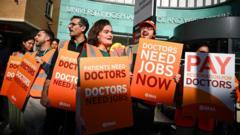
Resident doctors in England are striking for a 16th time, announcing a four-day walkout beginning June 15. The British Medical Association represents the striking physicians, who continue their campaign for better pay after more than a year of industrial action.
This latest strike marks an escalation in one of the longest-running labor disputes in the National Health Service. Resident doctors, also called junior doctors, have been pushing back against what they view as inadequate wage growth that hasn't kept pace with inflation. The dispute centers on a pay offer that the BMA argues fails to restore earnings to 2008 levels when adjusted for inflation.
England's NHS faces mounting pressure as the strikes accumulate. Previous walkouts have disrupted routine surgery, outpatient appointments, and emergency services, though the health service has managed to maintain critical care. The cumulative effect of 15 prior strikes has strained hospital operations and patient services across the country.
The government has resisted the doctors' demands, citing budget constraints and the need for fiscal responsibility. Health Secretary negotiations with the BMA have repeatedly stalled. Junior doctors argue their pay has effectively declined in real terms, making the profession less attractive and contributing to workforce shortages that already plague the NHS.
The June 15 strike comes as other NHS staff, including nurses and consultants, have also pursued their own industrial action over similar pay grievances. The broader labor unrest reflects deep frustration within Britain's healthcare system about compensation and working conditions.
The BMA has not ruled out further strikes if negotiations continue to falter. With no breakthrough apparent, the dispute shows no signs of resolution, adding another layer of disruption to an already stretched health service trying to clear massive elective surgery backlogs.