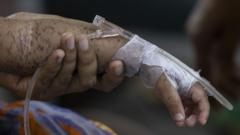
Bangladesh faces a measles crisis, with more than 60,000 suspected cases recorded in just over two months and hundreds of children dying from the disease. The outbreak represents a sharp surge in cases across the country, straining healthcare systems already dealing with limited resources and vaccine access gaps.
Measles, a highly contagious viral infection preventable through vaccination, spreads rapidly in populations with low immunization rates. The scale of Bangladesh's outbreak reflects both vaccination coverage challenges and potential gaps in disease surveillance. Healthcare officials have confirmed deaths among children, though exact mortality figures are being compiled as cases continue to mount.
The outbreak highlights persistent vulnerabilities in routine immunization programs across South Asia. Bangladesh has conducted measles vaccination campaigns, but coverage remains uneven in rural areas and urban slums where access to healthcare infrastructure lags. The disease typically strikes hardest at children under five and those with malnutrition or immunocompromised conditions, populations overrepresented in Bangladesh's most vulnerable communities.
International health organizations have mobilized responses, including support for vaccination drives and clinical management protocols. The outbreak underscores the risks of letting immunization rates slip below herd immunity thresholds, typically around 95 percent for measles. Even temporary disruptions in vaccination programs, whether from conflict, migration, or resource constraints, can allow the virus to resurface rapidly in susceptible populations.
Bangladesh's health ministry has activated emergency response protocols and appealed for resources to scale up vaccination campaigns and improve case management in hospitals. The crisis serves as a stark reminder that measles elimination remains incomplete across large swaths of Asia, despite global progress in other regions. Controlling the outbreak requires sustained commitment to immunization coverage and strengthening health systems in underserved areas.