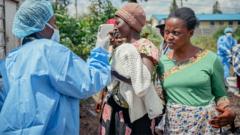
The World Health Organization warned that the Democratic Republic of Congo faces a dangerous convergence of Ebola spread and armed conflict. WHO Director-General Tedros Adhanom Ghebreyesus flagged that fighting in eastern DRC is directly obstructing containment efforts for the deadly virus.
Active conflict zones restrict access for health workers trying to vaccinate populations and trace contacts of infected people. Armed groups control territory where cases are emerging, making it nearly impossible for medical teams to operate safely. This creates a breakdown in disease surveillance and response capacity at the exact moment when rapid intervention matters most.
DRC has battled multiple Ebola outbreaks over decades, but this convergence with insurgent activity represents a new operational challenge. The eastern provinces have long struggled with militia violence, M23 rebel activity, and displacement. Health infrastructure already strained by years of fighting now faces pressure from a virus that spreads through direct contact with blood and body fluids.
Tedros emphasized that the collision threatens not just DRC but regional stability. Conflict-displaced populations cross borders into Uganda, Rwanda, and Burundi, potentially carrying the virus into neighboring countries with their own health system vulnerabilities. Vaccination campaigns stall when clinics become battlegrounds or when communities flee fighting and become unreachable.
The WHO chief called for immediate cessation of hostilities in affected areas and safe passage guarantees for health workers. Without it, Ebola cases will climb, fatality rates will remain high, and the outbreak risks becoming a regional crisis. DRC's previous largest outbreak in 2018-2020 killed over 2,200 people. Current conditions suggest even worse outcomes if fighting continues.
International donors and peacekeeping missions face pressure to stabilize DRC's east quickly. Health response alone cannot succeed amid active warfare.