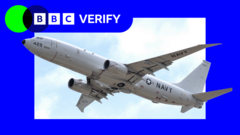
The US military increased aerial surveillance operations near Cuba over the past week, deploying Navy reconnaissance jets and drones to monitor the region amid escalating tensions. Tracking data captured multiple flights, signaling heightened military vigilance in the strategically sensitive waters of the Caribbean.
The surveillance flights reflect broader concerns about Cuban and Russian military activity in the hemisphere. Recent months have seen increased Russian naval presence near the island nation, including visits by nuclear-capable bombers and submarines. The US military response demonstrates Washington's commitment to maintaining awareness of potential threats in its backyard.
Navy P-8 Poseidon reconnaissance aircraft, designed for anti-submarine and maritime surveillance missions, conducted several sorties alongside unmanned drone operations. These platforms provide real-time intelligence on vessel movements and underwater activity across the region. The frequency of flights underscores the Pentagon's focus on the Caribbean as a zone requiring constant monitoring.
Cuba has grown closer to Russia as US sanctions persist, deepening ties that worry American military planners. The island sits less than 100 miles from Florida, making it a focal point for US national security strategy. Any foreign military presence nearby triggers immediate aerial reconnaissance and strategic positioning.
The surveillance flights come as diplomatic tensions between Washington and Moscow remain high following Russia's invasion of Ukraine. The Kremlin has used Cuba and Venezuela as leverage points to demonstrate its reach into the Western Hemisphere. US military assets in the region serve as both a deterrent and an early warning system for any escalation.
Pentagon officials have indicated these reconnaissance missions occur regularly but may increase in frequency when intelligence suggests Russian or Cuban military activity. The tracking data releases highlight the continuous cat-and-mouse dynamic between US forces and Russian operations in regions the US considers its sphere of influence.