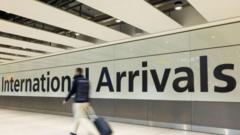
Prime Minister Keir Starmer's government reports a sharp decline in UK net migration, dropping to 171,000 in the year ending June 2024 compared to the previous year's 330,000. The figure represents a 48 percent decrease and comes as Downing Street emphasizes its commitment to border control.
The decline reflects tighter immigration policies implemented after Labour took office in July 2023. The government introduced visa fee increases, stricter student visa requirements, and enhanced employer checks. These measures targeted what the administration framed as excessive migration flows under the previous Conservative administration.
Migration remains a contentious political issue in Britain. Public concern over immigration levels has driven policy across both major parties. The Labour government has positioned itself as delivering on promises to manage borders more effectively while maintaining necessary labour flows for the NHS and other sectors reliant on migrant workers.
The 171,000 figure includes all net migration categories: international students, workers, family reunification, and asylum seekers. Student migration specifically fell significantly following visa policy changes that raised financial requirements and restricted work rights for overseas graduates.
Economists note mixed reactions to the data. Some business leaders have raised concerns about labour shortages in hospitality, healthcare, and agriculture. Others support the reduction as evidence of restored government control over immigration policy.
The data suggests Starmer's administration has moved swiftly to reshape migration patterns through regulatory changes rather than legislative overhaul. Whether these levels satisfy public demand for further reductions remains to be seen, as polling continues to show immigration among voter priorities heading into potential future electoral contests.