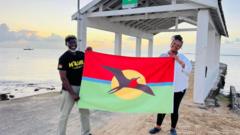
Caribbean nations are tightening control over beachfront property sales as foreign developers lock locals out of ancestral coastlines. Campaigners in Barbuda, Grenada, and Jamaica report systematic exclusion from beaches their communities have accessed for generations.
The issue centers on citizenship-by-investment programs and real estate liberalization that have flooded these islands with foreign capital. Wealthy investors from North America, Europe, and the Middle East now control significant stretches of prime beachfront, converting public or customary-access areas into gated resorts and private compounds.
In Barbuda, residents describe a stark shift in beach access since development accelerated in the 2010s. Traditional fishing grounds and gathering spaces now carry "no trespassing" signs. Local activists argue that tourism revenue benefits stay concentrated among foreign operators and imported labor while cultural practices tied to the coastline dissolve.
Grenada faces similar pressures. Developers have purchased swathes of beachfront under citizenship schemes that grant residency rights in exchange for investment commitments, often as low as $220,000. Jamaica's situation mirrors these patterns, with beachfront property increasingly unavailable to ordinary Jamaicans.
Governments face a bind. Caribbean nations depend on tourism dollars and foreign investment to prop up economies vulnerable to climate change, debt, and limited job markets. Yet yielding beachfront control erodes sovereignty and severs cultural connections to the land.
Some islands have begun pushing back. Activists demand legislation enforcing public beach access rights, limiting foreign ownership percentages, and reserving coastal land for local communities. Barbuda has explored stricter property regulations, though enforcement remains weak.
The fight reflects broader tensions across the Caribbean. Development promises prosperity but frequently delivers extraction. Foreign capital flows in; wealth flows out. Communities lose ground, literally and economically, while their beaches become luxury destinations they cannot afford to visit.