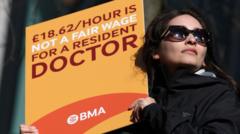
British hospital trusts are reporting unexpected operational improvements following doctor strikes, according to interviews with the BBC. Staff cite shorter patient wait times, faster clinical decision-making, and reduced corridor congestion as outcomes of recent industrial action.
The phenomenon reflects a counterintuitive dynamic. When junior doctors strike, NHS services operate under skeleton crews with skeleton schedules. This forces triage systems to function at peak efficiency. Non-urgent procedures get postponed. Urgent cases get prioritized ruthlessly. Decisions that normally cycle through multiple layers of bureaucracy happen faster because fewer people occupy the chain of command.
Hospital administrators acknowledge the irony. Better outcomes during strikes suggest systemic inefficiencies persist during normal operations. Overstaffing on paper, understaffing where it matters, and redundant approval processes all become visible when the system runs lean.
But sustainability poses the real question. A strike-induced efficiency spike looks good on charts. It does not solve root causes. Doctors removed from the system for weeks return to the same understaffed, overburdened conditions they left. The calmer corridors result from canceled appointments and deferred treatments, not permanent structural improvement.
Junior doctors in England accepted a 22.3 percent pay raise in 2023 after months of strikes. Hospital trusts have not fundamentally restructured workflows or staffing models since then. The efficiency gains vanish once normal operations resume because the underlying problems remain untouched.
Health leaders face a harder question than whether strikes improve metrics. They must decide whether the striking doctors' underlying complaints—burnout, inadequate compensation, unsustainable workloads—warrant systemic reform. Strike-era efficiency suggests the NHS could operate better. Whether leadership commits to that improvement during peacetime remains uncertain. The temporary gains prove the possibility. They do not guarantee the follow-through.