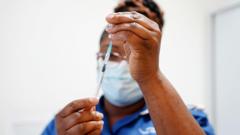
A major public inquiry into Britain's Covid vaccination program found that the rollout ranks among history's most successful public health campaigns, saving hundreds of thousands of lives across the UK. The report praises the speed and scale of the vaccine deployment while acknowledging that a small percentage of people experienced serious adverse effects and deserve enhanced support systems.
The inquiry examined the entire vaccination effort, from development through distribution to the tracking of side effects. Investigators confirmed that vaccines prevented severe illness and death on a massive scale, validating the accelerated timeline that saw Pfizer-BioNTech and Oxford-AstraZeneca jabs reach arms within months rather than years. The rollout reached millions of Britons and fundamentally altered the trajectory of the pandemic.
However, the report flags a critical gap. While the vast majority of recipients tolerated vaccines well, those who developed serious complications face inadequate compensation and medical support. The inquiry recommends strengthening the existing Yellow Card adverse event reporting system and creating clearer pathways for patients to access treatment and financial redress.
The findings arrive as public confidence in vaccines remains under pressure from persistent anti-vax narratives. The report's balanced assessment, acknowledging both extraordinary success and real harms requiring attention, attempts to anchor discussion in evidence. It recognizes that dismissing all adverse events feeds skepticism, while proper support for affected individuals demonstrates institutional accountability.
Medical experts widely view the Covid vaccination program as a watershed moment in pandemic response, establishing templates for rapid vaccine development and mass distribution that reshaped global preparedness protocols.