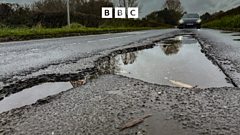
# AI Takes on Urban Infrastructure to Reduce Road Hazards
Cities are deploying artificial intelligence to detect crumbling asphalt, potholes, and other street hazards before they cause accidents or damage. Computer vision systems trained on thousands of road images can now identify pavement defects faster and cheaper than traditional manual inspection methods.
The technology works by analyzing footage from vehicle-mounted cameras or drones that scan streets systematically. AI models flag deteriorating road conditions with pinpoint accuracy, generating repair prioritization lists for municipal crews. Cities like Bristol and transport departments across Europe have already piloted these systems, cutting inspection costs while improving response times.
The appeal is straightforward: pothole-related accidents kill hundreds annually across the UK and cause billions in vehicle damage. Traditional inspection requires crews to walk streets or drive slowly, a time-intensive and labor-heavy process. AI handles the heavy lifting at scale. Some systems even predict which roads will fail next based on weather patterns and traffic load data.
Limitations remain real. AI excels at spotting visible cracks but struggles with subsurface damage invisible to cameras. Weather conditions affect detection accuracy. Infrastructure departments also need funding to act on findings, meaning AI is only useful if repairs actually happen. Privacy concerns arise when deploying monitoring systems across residential areas.
Several startups now commercialize these solutions. Governments are testing integrations with maintenance scheduling systems to automate work orders. The broader play fits into smart city infrastructure trends where IoT sensors, machine learning, and data analytics promise to manage aging urban systems more efficiently.
Whether AI truly makes streets safer depends on execution. The technology identifies problems. Turning that data into faster repairs requires political will and budget allocation. For now, AI gives cities better visibility into road conditions. What happens next is up to people, not algorithms.