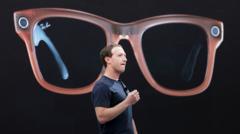
Meta's Ray-Ban smart glasses have cracked mainstream appeal, shifting millions of units despite persistent backlash over covert recording capabilities. The devices, which pack front-facing cameras and audio recording, continue gaining traction as consumers prioritize fashion and functionality over privacy safeguards.
Major tech firms including Meta, Google, and Amazon see smart glasses as the next frontier in wearable computing. Meta's partnership with EssilorLuxottica has normalized the form factor, making them feel less like experimental gadgetry and more like ordinary eyewear. That normalization drives sales momentum even as privacy advocates sound alarms.
The tension sits front and center. Smart glasses with built-in cameras enable discreet recording of bystanders without consent or visible indication. Regulators across Europe and North America have flagged the technology as potentially harmful to public privacy norms. Some jurisdictions have explored restrictions or mandatory disclosure mechanisms.
Yet consumer adoption tells a different story. Meta reports strong sales velocity for Ray-Bans equipped with cameras. The devices appeal to early adopters wanting hands-free video capture, real-time translation, and AI assistant integration. The sleek design sidesteps the clunky aesthetic that plagued earlier generations of wearables.
This gap between regulatory concern and market appetite reflects a broader pattern in consumer tech. Privacy objections rarely translate into purchasing decisions. People accept trade-offs when products deliver convenience, especially if competitors offer similar features. Meta's scale and distribution muscle amplify this effect.
The privacy question remains unresolved. Bystander consent standards vary wildly by country. Enforcement mechanisms remain weak. Meanwhile, manufacturers have little financial incentive to include anti-recording safeguards that competitors don't. Smart glasses will likely proliferate regardless of the privacy friction they generate.