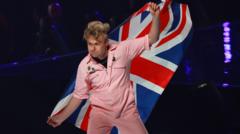
Britain's Eurovision track record has become a running joke. The UK finished dead last at this year's contest, scoring just one point from the audience vote. This caps a dismal four-year streak that has left the BBC scrambling to understand what went wrong.
The problem runs deeper than song choice or staging. Eurovision rewards a specific formula: spectacle, emotional resonance, and cultural specificity that plays to a pan-European audience. British entries have consistently missed the mark. They've either felt too generic, too safe, or out of step with what European voters actually want to hear. Meanwhile, countries like Sweden, Italy, and Ukraine have mastered the art of crafting competition-ready tracks that balance local identity with international appeal.
The one-point finish marks a historic low for the UK. It's not just embarrassing for the BBC. It signals a fundamental disconnect between how British broadcasters are selecting and developing songs for the contest and what actually works on the Eurovision stage. The competition has evolved into a showcase for high production values and theatrical presentation, yet British entries have often felt dated or underpowered by comparison.
The BBC has four years to recalibrate before 2027. That means rethinking the selection process, potentially bringing in producers and songwriters with proven Eurovision expertise, and understanding that the contest demands risk. Safe, radio-friendly pop doesn't cut it anymore. Countries that thrive at Eurovision embrace drama, visual storytelling, and a willingness to be bold. The UK has historically shied away from that approach, defaulting instead to polished but forgettable performances.
For the BBC to break this cycle, it needs to view Eurovision not as a musical oddity but as a competition requiring specific skills and sensibilities. The one-point finish serves as a wake-up call. Britain's absence from the podium has become the story itself, and that narrative needs to change starting now.