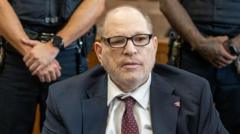
A New York judge declared a mistrial in Harvey Weinstein's rape case, marking the third time a jury has deliberated on charges against the 74-year-old former film producer. The mistrial follows earlier hung juries that failed to reach unanimous verdicts on the original 2020 conviction, which was overturned in 2024 due to procedural errors in the admission of certain evidence.
Weinstein, once one of Hollywood's most powerful executives, faced retrial after appellate courts determined that testimony from women whose allegations fell outside the statute of limitations should not have been allowed during the initial trial. This third jury deadlock represents a significant setback for prosecutors seeking to maintain the conviction that reshaped conversations around sexual misconduct in the entertainment industry.
The repeated mistrials highlight the legal complexities surrounding the case. Each failed jury has faced intense pressure to deliver a verdict on charges carrying decades of prison time. The delays also underscore how procedural and evidentiary battles can fundamentally alter outcomes in high-profile cases, even when initial convictions seemed decisive.
For the #MeToo movement, which gained momentum partly through Weinstein's prosecution, these mistrials introduce uncertainty into what was once viewed as a watershed moment. The case remains symbolically important to discussions of accountability in Hollywood, even as legal proceedings drag through successive trials.
Prosecutors must now decide whether to pursue a fourth trial or accept a different resolution. Either path carries implications for how the criminal justice system handles sexual assault cases involving high-profile defendants and the practical limits of jury unanimity in complex, emotionally charged trials spanning years of litigation.