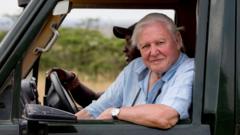
Sir David Attenborough transformed Bristol into the global epicenter of natural history television production, a phenomenon BBC Business calls "Green Hollywood." The city now produces 80% of the world's natural history documentaries, a staggering concentration that emerged largely through Attenborough's decades of work and influence.
Bristol's dominance stems from the BBC Natural History Unit, which Attenborough joined in 1952 and later shaped into a production powerhouse. The unit pioneered techniques for wildlife filmmaking that became industry standard. When Attenborough's landmark series "Life" dropped in 2009, it demonstrated how the city's infrastructure and expertise could deliver globally resonant content at massive scale.
The economics are striking. Natural history shows command premium pricing on streaming platforms like Netflix and Disney+, where audiences across all demographics consume them. Netflix has invested heavily in Bristol-based production, recognizing the region's unmatched talent pool and technical capabilities.
Beyond the BBC, independent production companies clustered in Bristol capitalize on the ecosystem Attenborough built. Institutions like the Bristol Zoo and University of Bristol's conservation programs feed talent and knowledge into the production pipeline. Local universities train the next generation of wildlife cinematographers and producers.
The pandemic accelerated streaming demand for nature content, cementing Bristol's market position. As David Attenborough entered his nineties, the infrastructure he created continued generating content watched by billions. His 2016 series "Planet Earth II" remains one of Netflix's most-watched documentaries globally.
Bristol's 80% market share reflects network effects typical in media hubs like Los Angeles or London. Production companies cluster there for access to skilled crews, post-production facilities, and institutional knowledge. The BBC Natural History Unit provides both competition and collaboration, elevating industry standards while keeping talent anchored to the region.