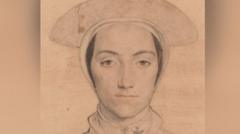
A computer science team claims it has identified a previously unknown sketch of Anne Boleyn, Henry VIII's second wife, using digital analysis techniques. The researchers examined historical artwork and applied modern imaging technology to reconstruct what they believe is her authentic likeness.
The discovery challenges existing historical portraits of Boleyn, which have been questioned by scholars for decades. Many of the images associated with her were created after her execution in 1536, raising doubts about their accuracy. This new sketch, if confirmed, could provide the first contemporary depiction of the queen from her lifetime.
The team's methodology involved analyzing facial proportions, bone structure, and other biometric markers from historical documents. Their work suggests significant differences between the newly identified image and the iconic portraits that have defined how the public visualizes Boleyn for centuries.
However, the findings have sparked debate within academic circles. Art historians and Tudor experts express caution about the claims, noting that digital reconstruction methods carry inherent limitations and assumptions. Authenticating historical artwork requires extensive verification, including provenance research and expert examination.
The research adds to ongoing scholarly efforts to separate fact from fiction in Tudor history. Boleyn remains one of history's most scrutinized figures, her image endlessly reinterpreted through art, literature, and popular culture. Any authentic contemporary portrait would constitute a significant historical find.
The team plans to submit their research for peer review, where the methodology and conclusions will face rigorous scrutiny from the academic community. Until then, the validity of this "real face" remains contested among historians.