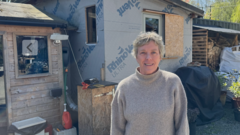
Jane and Tony Coyle endured seven years of planning delays while living in a shed, trapped by environmental bureaucracy tied to River Lugg pollution in Herefordshire. The couple faced rejection after rejection from local authorities concerned that development near the waterway could worsen water quality in an already compromised ecosystem.
The River Lugg sits within a designated Special Area of Conservation, a protected habitat under European and UK law. Environmental assessments flagged that new construction risked compounding nitrogen and phosphorus runoff, which accelerates algae blooms and depletes oxygen levels in the water. Regulators blocked residential permits until the Coyles could prove their project wouldn't breach strict pollution thresholds.
The delay exposes tensions between housing development and environmental protection across the UK. Planning authorities invoke conservation rules to deny applications, yet existing pollution from agricultural runoff, sewage treatment facilities, and industrial sources continues unchecked. The Coyles became collateral damage in a system that penalizes individual homeowners while struggling to prosecute larger polluters.
Their struggle reflects broader failures in river management. The Environment Agency has documented deteriorating water quality across England's river network, with fewer than 20 percent of rivers meeting good ecological status. Herefordshire's catchment area, fed by the Lugg and its tributaries, ranks among the worst offenders for nutrient pollution.
The Coyles eventually secured permission after environmental mitigation measures were implemented and approved. Their seven-year ordeal underscores a regulatory paradox. Planning systems rigorously enforce environmental conditions on small-scale development while watershed-wide pollution persists from diffuse sources that remain harder to regulate.
For rural communities seeking to build or expand, the River Lugg case signals that even modest residential projects face intensifying scrutiny tied to water quality crises that demand systemic infrastructure investment, not individual developer penalties.