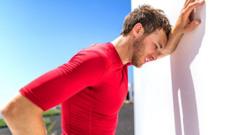
Heat exhaustion and heatstroke demand fast recognition and action. The difference between them determines whether someone recovers at home or needs emergency care.
Heat exhaustion strikes first. Symptoms include heavy sweating, weakness, dizziness, nausea, headache, and muscle cramps. Skin feels clammy. Body temperature stays normal or slightly elevated. Move the person to a cool place, have them lie down with legs elevated, give them water to sip, and cool their skin with wet cloths or a cool bath. Most people recover within 30 minutes.
Heatstroke is a medical emergency. The body's temperature regulation fails, pushing core temperature above 40 degrees Celsius. Sweating stops. Skin turns hot and dry. The person becomes confused, loses consciousness, or has seizures. Call emergency services immediately. While waiting, cool the person aggressively using ice packs on the neck, armpits, and groin where major blood vessels run close to skin. Cool baths work too. Never give fluids if the person is unconscious.
High-risk groups include older adults, babies, pregnant women, and people with chronic conditions. Athletes and outdoor workers face danger during heat waves. Certain medications impair heat regulation.
Prevention matters most. Stay hydrated throughout the day. Limit outdoor activity during peak heat hours, typically 11 AM to 3 PM. Wear loose, light clothing and sunscreen. Check on vulnerable neighbors and relatives during extreme heat events.
Never dismiss heat-related illness as minor. Heat exhaustion can progress to heatstroke within minutes if untreated. When temperatures soar, awareness and quick response save lives.