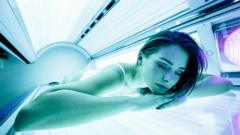
A cross-party group of MPs is pushing for a ban on sunbed advertising after concluding that most skin cancer cases are preventable. The report identifies indoor tanning as a significant risk factor and argues that restricting promotional marketing for sunbeds could reduce melanoma and non-melanoma skin cancer rates across the UK.
The MPs' findings align with existing medical evidence showing ultraviolet radiation from sunbeds accelerates skin damage and increases cancer risk, particularly among younger users. Current regulations allow sunbed advertising despite health warnings from bodies like Cancer Research UK and the British Association of Dermatologists, which classify indoor tanning as carcinogenic.
The recommendation follows successful precedent. Several countries have implemented strict sunbed advertising bans or restrictions on youth access. France bans sunbed ads entirely. Australia limits promotion through age-gating and warning requirements. The proposed UK ban would target advertising across traditional media, digital platforms, and retail locations.
Industry opposition is expected. The sunbed sector argues that regulated indoor tanning with proper safety protocols presents manageable risk. Trade bodies contend that adults should retain choice and that education, rather than prohibition, addresses the problem.
However, the report emphasizes prevention economics. Treating preventable skin cancers costs the NHS substantially. Cases have risen significantly over two decades, with melanoma diagnoses climbing among people under 40. The MPs argue that removing advertising removes a normalizing influence that drives demand, particularly among teens and young adults whose skin remains more vulnerable to lasting UV damage.
The government has not yet responded formally to the recommendation. If adopted, a sunbed advertising ban would represent the UK's most aggressive stance on indoor tanning prevention to date, positioning it alongside stricter tobacco and alcohol marketing controls.