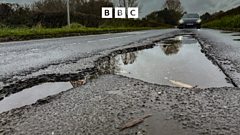
AI systems deployed across city infrastructure are beginning to detect road damage faster than human inspectors, potentially transforming how municipalities maintain streets. Computer vision algorithms trained on thousands of street images now identify potholes, cracks, and surface degradation in real time, flagging hazards for repair crews before they cause accidents or vehicle damage.
Cities like Singapore and parts of the United States have rolled out AI-powered road monitoring systems that scan pavements during routine collection routes or dedicated survey runs. The technology cuts inspection cycles from months to weeks, reducing blind spots in aging infrastructure that affects millions of commuters daily. Machine learning models continuously improve as they process more street data, becoming better at distinguishing critical repairs from minor wear.
The efficiency gains are tangible. Manual inspections require crews to physically traverse every street, a labor-intensive process vulnerable to human error and budget constraints. AI systems process this work at scale, covering more ground with fewer personnel. Cities save on overtime and reduce response times to dangerous conditions.
Privacy concerns emerge alongside the benefits. Cameras capturing street conditions also record pedestrians, cyclists, and parked vehicles. Departments must establish clear data protocols and retention limits to avoid surveillance overreach. Accuracy remains imperfect too. Seasonal weather variations, shadows, and unusual road markings sometimes confuse algorithms, requiring human verification of flagged areas.
Adoption hinges on municipal budgets. Smaller cities lack the capital to implement comprehensive AI systems, creating a two-tier infrastructure maintenance landscape. Larger metropolitan areas gain competitive advantage in road safety and asset management, while underfunded regions fall further behind.
The technology represents a practical application of AI beyond consumer products. Rather than predicting consumer behavior, these systems directly improve public safety and urban quality of life by catching hazards humans might miss.