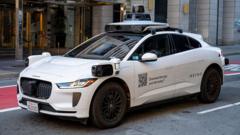
Waymo initiated a voluntary recall affecting thousands of its autonomous vehicles after one of its empty robotaxis drove into a flooded creek in San Antonio, Texas on April 20. The incident prompted the self-driving company to examine how its fleet handles water-detection systems and navigation around hazardous road conditions.
The vehicle entered the flooded area despite apparent safety protocols designed to prevent such occurrences. Waymo's decision to recall units across its robotaxi service reflects the company's response to gaps in how its autonomous systems assess environmental obstacles, particularly water hazards that obscure road surfaces.
This recall matters because Waymo operates one of the largest commercial autonomous vehicle fleets in the US, running paid robotaxi services in cities including San Francisco, Los Angeles, and Phoenix. Any safety vulnerability affects thousands of passengers and public trust in the technology. The incident also highlights ongoing challenges in autonomous vehicle development. Water detection and flood navigation remain complex problems for AI systems trained primarily on clear-weather scenarios.
Waymo has not disclosed the exact number of vehicles affected or specifics on the technical fix being implemented. The company's transparency around the recall contrasts with earlier controversies surrounding autonomous vehicle safety data, though questions remain about whether similar detection failures might occur in other weather conditions.
This moment underscores how robotaxi companies must balance rapid expansion with rigorous safety validation. As autonomous vehicles move from controlled test environments into real-world urban deployment, edge cases like flooded roads become operational realities. Waymo's recall response demonstrates the industry acknowledging these gaps, but also signals that autonomous systems still require human oversight and environmental safeguards before fully autonomous operation in unpredictable conditions.