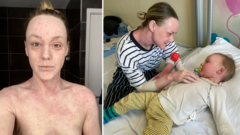
Hundreds of people have contacted the BBC reporting a severe skin condition that leaves them in agony, yet the medical establishment remains fractured over whether the affliction actually exists as a distinct diagnosis.
The controversy centers on Topical Steroid Withdrawal (TSW), a condition some patients and alternative practitioners claim emerges after prolonged use of topical steroid creams. Sufferers describe intense burning, redness, and peeling that conventional dermatologists often misdiagnose as severe eczema flares or other recognized skin disorders.
The core problem is medical disagreement. Some dermatologists acknowledge TSW as a real withdrawal syndrome tied to steroid dependency. Others argue the symptoms patients experience are simply severe eczema or dermatitis that requires continued steroid treatment, not cessation. This divide has left patients caught between conflicting medical advice and widespread online communities reinforcing TSW narratives.
The BBC's investigation revealed that mainstream medical bodies like the British Association of Dermatologists have not formally recognized TSW as a distinct condition, despite growing patient activism and anecdotal accounts of debilitating symptoms lasting months or years after stopping steroid creams. Insurance coverage and treatment protocols remain inconsistent.
What complicates matters further is the role of social media and online forums, where TSW communities have grown substantially. Patients share experiences, support networks form, and some recommend avoiding steroids entirely. This occasionally contradicts guidance from traditional dermatologists who warn that abruptly stopping steroids without medical supervision can worsen underlying skin conditions.
The stalemate persists because rigorous clinical trials specifically examining TSW remain sparse. Without large-scale peer-reviewed studies establishing clear diagnostic criteria and causation, regulatory bodies hesitate to formalize the condition. Meanwhile, patients reporting genuine suffering demand acknowledgment and treatment pathways. The BBC coverage has amplified calls for greater medical research into what sufferers describe as months of debilitating "hell."