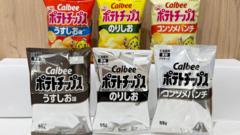
A major snack manufacturer has shifted to black-and-white packaging after geopolitical tensions disrupted the global supply chain for colored inks. The closure of the Strait of Hormuz, a critical shipping chokepoint through which roughly 20 percent of the world's oil passes, has created bottlenecks in petrochemical exports.
Colored ink production depends heavily on petrochemical feedstocks sourced from the Middle East. The current conflict has made those supplies scarce and expensive. Rather than absorb rising costs or delay product launches, the company opted for monochromatic labeling, a pragmatic solution that sidesteps the shortage entirely.
The move reflects broader supply chain vulnerabilities exposed by regional instability. Companies across packaged goods, cosmetics, and printing have faced similar pressures. Some have reformulated products. Others have stockpiled inventory ahead of further disruptions.
Petrochemical prices have spiked as traders price in extended disruption risk. Shipping costs have climbed alongside insurance premiums for vessels navigating contested waters. Manufacturers with just-in-time inventory systems face the steepest pain, particularly those locked into color-specific branding.
The snack company's pivot underscores how physical chokepoints still matter in a globalized economy. Digital supply chains can't reroute oil tankers or refineries. The shift to black-and-white packaging, while visually distinct from competitors' shelves, signals that cost stability trumps aesthetic consistency in the current environment.
Investors in consumer staples have grown nervous about margin pressure from input costs. This company's adaptation buys breathing room, though competitors may follow suit, turning a temporary shortage into a permanent redesign trend across the category.