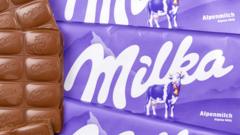
Germany's Bremen Regional Court ruled that Mondelez International, maker of Milka Alpine Milk chocolate, engaged in deceptive shrinkflation practices. The company reduced the bar's weight without clearly communicating the change to consumers, violating consumer protection laws.
Shrinkflation, the practice of reducing product size while maintaining or raising prices, has become a flashpoint for regulators across Europe. Milka's case represents one of the most high-profile rulings against the tactic. The court found that Mondelez's labeling failed to adequately highlight the weight reduction, effectively deceiving shoppers who expected consistent portions for comparable prices.
Milka is one of Europe's best-selling chocolate brands, owned by American food giant Mondelez. The iconic purple-wrapped bar carries significant cultural weight in Alpine regions, making the court's decision particularly resonant. Consumer advocacy groups have increasingly challenged shrinkflation as inflation-driven companies seek to protect margins without appearing to raise prices.
The ruling reflects mounting pressure on manufacturers to be transparent about product changes. Germany's consumer protection framework has become stricter in response to widespread shrinkflation complaints. Other major brands including Nestle and Ferrero have faced similar scrutiny across Europe.
Mondelez now faces potential financial penalties and mandatory changes to packaging disclosures. The decision could set precedent for additional cases across German and European courts. As inflation pressures persist, regulators have signaled they will aggressively pursue companies accused of hiding product downsizing from consumers. The Milka ruling demonstrates courts will hold manufacturers accountable when they prioritize profit protection over transparency.