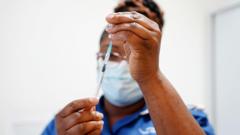
A public inquiry into the UK's Covid vaccination program confirms the rollout ranks among modern medicine's greatest achievements while flagging gaps in support for people who experienced adverse effects.
The report validates the vaccination campaign's scale and speed. Covid vaccines prevented an estimated hundreds of thousands of deaths across the UK, delivering one of the fastest vaccine deployments in history. Healthcare workers, the elderly, and vulnerable populations received protection during a genuine public health emergency. The logistics, coordination across the NHS, and public uptake all exceeded international benchmarks.
However, the inquiry identifies a critical blind spot. A small minority of people suffered genuine adverse reactions, some severe. The report finds these individuals lack adequate support systems. Access to diagnosis remains inconsistent. Medical professionals often dismiss or minimize vaccine-related injuries. Compensation pathways exist but function poorly, leaving affected people navigating bureaucracy while managing long-term health impacts.
The findings call for three concrete shifts. First, the medical establishment must acknowledge and study adverse events more rigorously instead of dismissing concerns as coincidence or psychology. Second, patient support services need expansion and redesign to help those experiencing post-vaccine complications access specialized care. Third, compensation schemes require faster processing and higher recognition rates.
The report resists false balance. It does not suggest vaccines were a mistake or that hesitancy was justified. The data overwhelmingly shows the program saved lives at scale. The criticism targets what happened after that success. The people harmed deserve better than current silencing and dismissal. Recognition matters. Support matters. Better systems matter.
This moment shapes how Britain handles future public health crises. Acknowledging both the triumph and the gaps builds institutional credibility. Dismissing the injured damages trust for the next emergency.