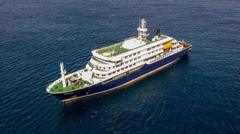
The Andes strain of hantavirus has been detected among cruise ship passengers, marking a rare instance of person-to-person transmission. Hantavirus typically spreads through contact with infected rodent droppings, urine, or saliva, but the Andes strain stands apart as one of the few variants capable of human-to-human spread.
Hantaviruses belong to a family of pathogens found worldwide in rodent populations. Most strains require direct contact with contaminated rodent materials or inhalation of virus-laden aerosols from rodent excrement. The Andes strain, endemic to South America, differs fundamentally. It transmits between people through respiratory droplets, similar to flu transmission. This characteristic makes outbreaks harder to contain and poses elevated public health risks during crowded conditions like cruise ships.
Symptoms emerge one to eight weeks after exposure and include fever, muscle aches, headache, and fatigue. Severe cases progress to hantavirus pulmonary syndrome, characterized by fluid buildup in the lungs and respiratory distress. Mortality rates vary by strain but can reach 40 percent without treatment.
The cruise ship incident underscores vulnerability in enclosed environments where ventilation systems concentrate airborne particles. Passengers in close quarters with infected individuals face heightened transmission risk. Health authorities typically respond with isolation protocols, contact tracing, and monitoring of exposed individuals.
No vaccine currently exists for hantavirus. Prevention relies on avoiding rodent contact, maintaining clean living spaces, and using protective equipment in high-risk areas. Antiviral treatments like ribavirin show limited efficacy but may reduce severity if administered early.
The detection on a cruise ship signals the Andes strain's capacity to spread internationally, raising concerns for travel-related transmission across borders and population centers.