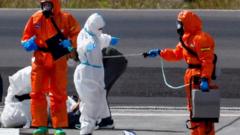
A hantavirus scare has prompted the repatriation of passengers potentially exposed to the virus, triggering questions about transmission risk and public health vulnerability. Hantavirus causes hemorrhagic fever with renal syndrome, a severe illness that kills roughly 38 percent of infected patients globally, though mortality varies by virus strain and geographic region.
The virus spreads primarily through contact with infected rodent droppings, urine, or saliva. Person-to-person transmission remains extremely rare in most hantavirus strains, making casual contact with exposed travelers low-risk for the general population. Healthcare workers and those handling contaminated materials face elevated danger, but standard infection control protocols effectively prevent spread.
Hantavirus outbreaks spike seasonally in spring and early summer when rodent populations surge and humans venture into rural areas or enclosed spaces where rodents nest. The Americas host Sin Nombre virus, which causes hantavirus pulmonary syndrome with a mortality rate around 38 percent. Europe and Asia experience different strains with varying severity profiles.
Early symptoms mimic flu, including fever, muscle aches, and fatigue. Progression to severe respiratory distress or kidney failure occurs within days. No vaccine exists, so treatment remains supportive, focusing on managing symptoms and organ function.
For the repatriated passengers, risk assessment depends on exposure duration and location. Most hantavirus cases involve direct contact with rodent waste in confined spaces. Airplane cabins carry minimal rodent contamination risk. Public health agencies implement contact tracing and monitoring protocols to catch any infections before they advance to severe stages.
Widespread panic misplaces concern. Hantavirus remains a geographically localized threat linked to specific environments and activities. Urban populations encounter minimal exposure. Preventive measures center on rodent control, proper sanitation, and protective equipment for high-risk workers. The broader public should monitor for symptoms if directly exposed but can otherwise resume normal activities without fear.