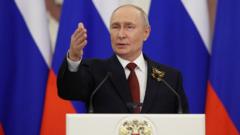
Vladimir Putin declared the Ukraine conflict approaching its conclusion, signaling openness to negotiations while attacking Western support for President Volodymyr Zelensky. The Russian president framed the ongoing war as unsustainable, suggesting diplomatic resolution lay within reach. Putin's comments arrive amid persistent battlefield stalemate and mounting casualties on both sides, roughly three years into Russia's invasion launched in February 2022.
The Kremlin chief has repeatedly shifted rhetoric around negotiation prospects, oscillating between bellicose demands and diplomatic overtures depending on military momentum and international pressure. This latest statement emerges as Ukraine faces ammunition shortages, Western military aid flows remain contested in donor capitals, and attrition grinds forward across eastern fronts. Putin specifically targeted NATO allies and the United States, accusing them of prolonging the conflict through continued weapons transfers and financial support to Kyiv.
Russia's position hinges on territorial gains it currently holds, with Moscow demanding Ukraine cede occupied regions including Crimea and parts of Donbas. Zelensky has consistently rejected any surrender of sovereign territory, creating the core impasse blocking serious diplomacy. Recent peace proposals from various actors have collapsed on this fundamental disagreement.
Putin's framing of inevitable conflict conclusion appears designed to shape Western perception that Russian victory or stalemate acceptance grows inevitable. This narrative pressure targets wavering NATO members and domestic critics questioning aid packages to Ukraine. The statement also precedes potential shifts in US policy should political dynamics change in Washington, where some figures advocate reduced Ukraine support.
Zelensky's government dismissed Putin's overtures as negotiating from a position of military advantage rather than genuine peace interest. Ukrainian officials maintain that any settlement without full territorial restoration rewards aggression and threatens regional stability. International observers remain skeptical of Russian commitment to genuine ceasefire terms, citing Moscow's track record of violated agreements and continued offensive operations across multiple fronts.