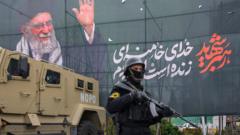
Iran delivered a response to US proposals aimed at ending the war, though neither side disclosed specifics of the diplomatic communication or the underlying framework for ceasefire talks. The exchange marks a continuation of behind-the-scenes diplomatic efforts to resolve the conflict, with intermediaries facilitating negotiations between Tehran and Washington.
The opacity surrounding both the Iranian response and the original US proposals reflects the sensitive nature of the discussions. Both nations have incentives to keep negotiation terms confidential during preliminary talks, preventing public pressure or miscalculation that could derail fragile progress. Previous ceasefire attempts in the conflict have stalled when details leaked prematurely or when parties faced domestic political constraints.
Iran's formal response suggests the country engaged substantively with Washington's framework rather than dismissing it outright, a signal that diplomatic channels remain open despite longstanding tensions between the two governments. The US has repeatedly signaled interest in a negotiated settlement, citing humanitarian concerns and regional stability.
The war has devastated civilian infrastructure and displaced millions, creating pressure on all parties to explore diplomatic alternatives. Iran's willingness to respond, rather than reject the proposals, indicates potential room for negotiation, though the absence of public details prevents assessment of whether the positions are compatible.
International mediators, including Qatar and Oman, have played crucial roles in facilitating communication when direct US-Iran dialogue remains politically difficult. Their involvement in these particular negotiations remains unclear, though both countries have experience brokering talks in similar regional disputes.
Further developments depend on whether Washington and Tehran can narrow substantive gaps on security guarantees, reconstruction, and long-term political arrangements. Public statements from both capitals will likely remain minimal until negotiators determine whether a viable path to settlement exists.