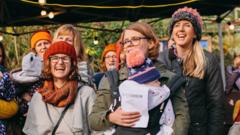
A choir leader running a postnatal support group says she's hit a wall with Sheffield's park fee structure. The organizer, who leads sessions for new mothers in city parks, discovered that professional dog walkers pay considerably less than her group to access the same public spaces.
The fee discrepancy has left her baffled. Dog walkers operating commercially face lower charges, despite using parks during similar timeframes and in similar capacities. Her postnatal choir, which serves a health and wellness function for vulnerable new mothers, falls into a higher fee category.
The issue highlights a broader tension in how local authorities price access to public spaces. Sheffield's pricing model apparently values commercial pet services more favorably than community health initiatives. For a postnatal choir leader operating on limited budgets, the cost becomes prohibitive.
Postnatal mental health support remains underfunded across the NHS. Community-led initiatives like this choir fill critical gaps, offering peer support and combating isolation during a vulnerable life stage. The financial barrier to park access directly undermines these efforts.
The council's reasoning for the fee structure remains unclear from the report. One possibility is that dog walkers are classified as individual operators, while group activities attract steeper commercial rates. Another is that parks departments simply haven't adapted pricing to reflect the health value of community wellness programs.
This story lands amid broader conversations about access equity in public spaces. Parks should theoretically serve the public good equally. When bureaucratic pricing systems penalize health-focused community groups while favoring commercial pet services, something has gone wrong with policy design.