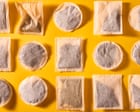
A Guardian tasting panel, led by tea specialist Matt Writson, evaluated supermarket breakfast teabags using industry-standard cupping techniques. The test examined appearance, aroma, leaf quality, and brewed color to separate the winners from the duds.
The review uncovered stark differences in supermarket tea quality. Some bags delivered robust, flavorful brews worthy of regular rotation. Others proved disappointing, delivering flat, musty notes that justified their budget-shelf placement. The tasting process revealed that premium pricing doesn't always guarantee superiority, while certain value options punched above their weight.
Writson's involvement brought rigor to what could have been casual opinion. Cupping, the method used by professional tea tasters worldwide, involves brewing leaves at precise temperatures and timings, then evaluating wet leaves alongside the liquid itself. This approach strips away casual brewing variables and exposes the actual quality of the leaves inside each bag.
The article reflects growing consumer interest in tea beyond basic supermarket options. Whole-leaf teas, which Writson introduced after the testing, represent a sharp contrast to bagged convenience. The divide between commodity teabags and specialty tea continues widening as drinkers educate themselves about origin, oxidation levels, and brewing methods.
For supermarket shoppers, the ratings offer practical guidance. Price alone proves unreliable as a quality indicator. Testing multiple brands against a consistent standard reveals which teabags deliver genuine flavor and which cut corners with dust and fannings, the tea industry's term for broken leaf fragments.
The tasting joins Guardian Lifestyle's broader food and drink testing initiative, including a parallel piece on supermarket coffee. These reviews target budget-conscious readers seeking quality without pretension, pushing back against the assumption that better tea requires specialty shops or mail order.