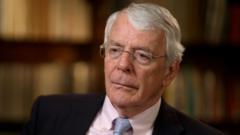
Former Conservative Prime Minister John Major has warned that Britain's habit of rapidly cycling through leadership damages the country's ability to address long-term challenges. Speaking to the BBC, Major criticized current political leaders for failing young people by prioritizing short-term politics over sustained policy work.
Major's comments reflect frustration with the UK's recent pattern of prime ministerial turnover. Since 2016, Britain has had five different prime ministers: David Cameron, Theresa May, Boris Johnson, Liz Truss, and Rishi Sunak. This instability contrasts sharply with Major's own tenure from 1990 to 1997, when he served for nearly seven years despite internal Conservative divisions.
The former PM's warning carries weight within Tory circles, where leadership instability remains a persistent vulnerability. Major served as party leader during a period of economic recovery from recession, though his government faced its own internal fractures over European integration. His message to current MPs suggests the Conservatives risk further damage if they continue removing leaders frequently without allowing time for policy to take effect.
Major's criticism extends beyond the Conservative Party's internal mechanics. He argues that generational challenges, from infrastructure investment to climate action to education reform, require consistency and multi-year commitment. Rapid prime ministerial changes interrupt policy continuity and prevent meaningful progress on issues that demand sustained attention.
The comments come as the Labour Party, currently in government under Keir Starmer, seeks to project stability after the Conservative chaos. Major's intervention represents rare cross-party concern about institutional effectiveness, even as he maintains his traditional Conservative perspective.
THE BOTTOM LINE: Frequent leadership changes prevent governments from tackling systemic problems that require years to resolve, undermining public trust and disadvantaging younger generations.