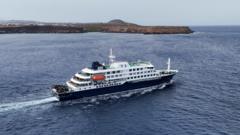
A third British national on Tristan da Cunha has tested positive for suspected hantavirus, the UK government confirmed. The remote Atlantic island, home to just 240 residents, faces its first documented hantavirus outbreak following a cruise ship visit in April.
Hantavirus spreads through contact with infected rodent droppings, urine, or saliva. The virus causes hantavirus pulmonary syndrome, a potentially fatal respiratory illness with a mortality rate around 38 percent in North America. Symptoms include fever, muscle aches, coughing, and shortness of breath.
Tristan da Cunha, located roughly halfway between South Africa and South America, has no airport and remains one of Earth's most isolated inhabited archipelagos. The island's tiny population faces elevated risk from any infectious disease outbreak due to limited medical infrastructure. Residents depend on passing ships for medical evacuations and supply deliveries.
The cruise ship that docked in April likely introduced infected rodents or contaminated materials to the island. Officials have launched investigation efforts to trace the outbreak's source and prevent further spread. Health authorities are monitoring the broader population and advising residents on rodent avoidance and hygiene protocols.
Hantavirus outbreaks in developed nations remain rare. This cluster on Tristan da Cunha represents an unusual occurrence for the island community and raises questions about biosecurity risks for isolated populations dependent on maritime contact with the outside world.
THE TAKEAWAY: Remote island communities with limited medical access face disproportionate risks from imported infectious diseases, and maritime traffic poses unexpected transmission pathways.