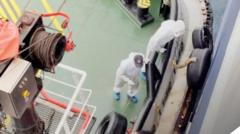
South Africa's health ministry confirmed two cases of Andes hantavirus on a cruise ship, marking a rare detection of the strain that spreads human-to-human. The outbreak signals a shift in hantavirus epidemiology, as most strains transmit through contact with infected rodent droppings or urine rather than between people.
Hantaviruses typically emerge in rodent populations across the Americas, Europe, and Asia. The Andes strain, endemic to South America, carries higher mortality rates than other variants. Human-to-human transmission remains uncommon, making these cruise ship cases epidemiologically significant.
The cruise setting amplifies transmission risk. Closed quarters, shared ventilation systems, and high passenger density create ideal conditions for respiratory spread. Health authorities must trace contacts across multiple ports and countries, complicating containment efforts.
Hantavirus infections produce flu-like symptoms including fever, headache, and muscle aches. Progression to hantavirus pulmonary syndrome involves respiratory failure and carries mortality rates between 30 and 40 percent. Early detection and supportive care remain the primary interventions, as no specific antiviral treatment exists.
South Africa's identification of this strain on a cruise ship reflects expanding global travel networks and emerging disease surveillance gaps. The cruise industry faces renewed scrutiny around disease control protocols. Passengers who shared cabins, dining areas, or ventilation systems with confirmed cases face heightened risk.
Authorities initiated contact tracing and monitoring of symptomatic individuals. Testing protocols expanded across the affected ship and related vessels. The discovery underscores how travel hubs serve as amplification points for infectious diseases, requiring coordinated international response systems and real-time disease surveillance capabilities.