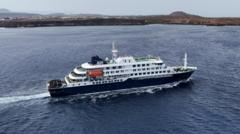
A cruise ship carrying dozens of passengers diverted to the Canary Islands after three people tested positive for hantavirus, a potentially fatal rodent-borne virus. The MV Hondius, an Arctic expedition vessel, evacuated a British man and two others to the Netherlands for medical treatment. The ship continued its voyage toward the Canary Islands as authorities monitored remaining passengers and crew for symptoms.
Hantavirus spreads through contact with infected rodent droppings, urine, or saliva. The virus causes hemorrhagic fever with renal syndrome in Eurasia, presenting with fever, headache, and kidney failure. Outbreaks remain rare aboard vessels, making this incident unusual for cruise operations.
The evacuations triggered immediate protocol activation across maritime health systems. Officials screened the remaining passengers and implemented enhanced sanitation measures aboard the MV Hondius. The ship's itinerary absorbed the delay as it redirected to port facilities equipped to handle potential further cases.
Hantavirus incidents rarely spike in developed nations. The virus circulates primarily in wild rodent populations across Europe and Asia, with human transmission occurring through environmental exposure rather than person-to-person spread. Cruise ship environments, typically controlled through pest management and sanitation, present lower transmission risk than terrestrial settings.
This evacuation underscores how outbreak response protocols activate swiftly within maritime travel. Insurance coverage, crew training, and port coordination all factored into the operation. Public health authorities across multiple countries coordinated response efforts, reflecting integrated European health frameworks.
No deaths were reported among the evacuated passengers. Outcomes for hantavirus cases vary widely depending on virus strain and patient factors. Early hospitalization in specialized facilities improves survival rates significantly.
THE TAKEAWAY: Hantavirus on a cruise ship remains extraordinarily rare, but rapid evacuation systems and international health coordination ensure swift response when infections emerge at sea.