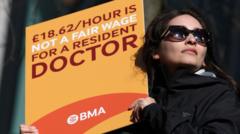
Doctors' strikes in the UK have produced unexpected operational improvements at some hospital trusts, according to accounts shared with the BBC. Shorter wait times, speedier clinical decisions, and reduced chaos in hospital corridors emerged during previous industrial action periods.
The counterintuitive finding reflects how strike periods force hospitals to prioritize urgent cases and eliminate non-essential procedures. With fewer staff on rotation, clinical teams work with greater focus. Emergency departments see fewer minor cases diverted away during strikes, and patients awaiting routine procedures experience clearer communication about timelines. Some trusts report staff morale actually improves when workers feel their concerns are being heard through collective action.
However, sustainability remains the core question. These benefits depend entirely on strikes remaining temporary. Extended labor action would reverse gains quickly. Chronic staffing shortages, burnout accelerated by skeleton crews, and deferred treatments create long-term damage that contradicts short-term efficiency.
UK doctors have staged strikes over pay disputes and working conditions. The British Medical Association negotiates with NHS leadership over contracts that haven't kept pace with inflation. Junior doctors, particularly, cite unsustainable hours and wage stagnation. When strikes occur, hospitals implement contingency protocols that strip operations to essentials, inadvertently exposing systemic inefficiencies in normal operations.
The paradox troubles healthcare administrators. Strike benefits hint that routine operations carry unnecessary complexity, bloat, or redundancy. Yet solving those issues through voluntary reform proves far slower than crisis-driven streamlining.
Hospital trusts can't sustain strike-level efficiency permanently without cutting essential services or clinical hours. The real lesson points toward systemic reform. Resolving pay grievances and staffing models prevents industrial action while allowing hospitals to redesign workflows based on lessons learned during strikes.
THE TAKEAWAY: Strikes expose operational fat, but their benefits vanish the moment labor disputes resolve.