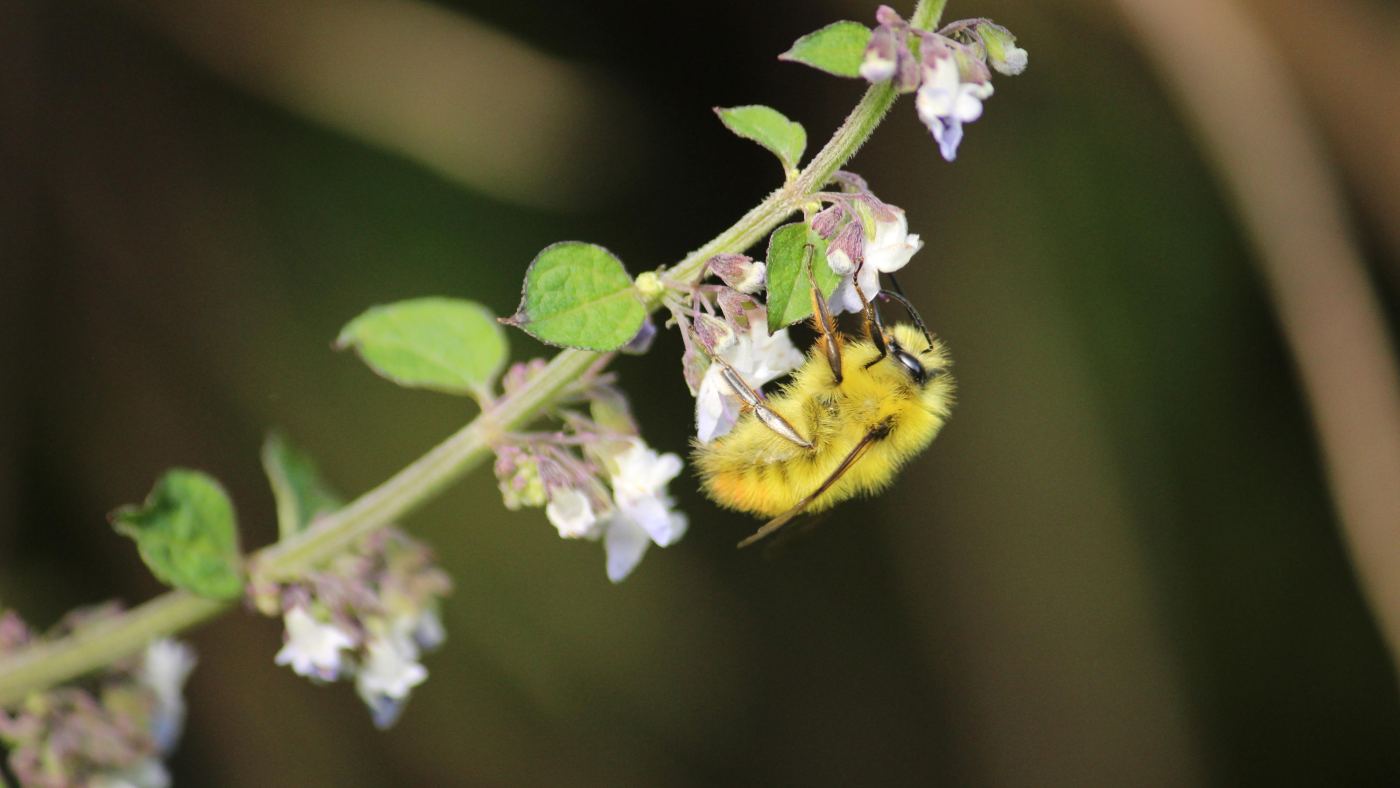
A new study quantifies the economic and nutritional value that pollinators deliver to global food systems and human health. Researchers have struggled for years to translate pollinator decline into concrete dollars and health metrics. This research finally provides measurable data on what we stand to lose.
Pollinators like bees, butterflies, and hummingbirds ensure the reproduction of crops that feed billions. Beyond staple grains, they enable production of nutrient-dense fruits, vegetables, and nuts that prevent malnutrition and chronic disease. The study assigns economic value to both the direct agricultural income these crops generate and the health outcomes they enable when people consume them.
The findings arrive as pollinator populations face mounting pressure from habitat loss, pesticide use, climate change, and disease. Many regions already report declining bee colonies and butterfly populations. Without intervention, the loss accelerates ecosystem collapse in agricultural regions worldwide.
For developing nations that depend on pollinator-dependent crops for subsistence and export revenue, the stakes are highest. Loss of pollinators threatens food security and rural livelihoods simultaneously. The study's quantification helps policymakers justify conservation spending as an investment, not a cost.
The research also highlights disparities in pollinator dependence. Wealthy nations can absorb pollinator loss through imports and industrial agriculture. Poorer countries face direct threats to nutrition and income. This inequality shapes how urgently different regions prioritize pollinator protection.
WHY IT MATTERS: Hard numbers on pollinator value force agricultural and health policy to align. When governments see the dollar cost of pollinator decline, conservation becomes budget-competitive with other development priorities.