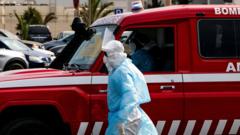
A potential hantavirus exposure has triggered international concern after passengers aboard affected flights dispersed across multiple countries. Hantavirus, a rare but serious infection spread primarily through contact with infected rodent droppings, urine, or saliva, carries a fatality rate between 38 and 50 percent in severe cases. The virus has no vaccine or specific treatment, making prevention the critical strategy.
Health authorities face a race against time. The incubation period stretches two to eight weeks, meaning exposed travelers could develop symptoms without knowing infection occurred. This window allows potential spread across airports and into communities worldwide. Contact tracing efforts intensified as health agencies identified passengers and crew members from the initial exposure point.
Hantavirus transmission to humans remains statistically rare. The virus requires direct contact with infected rodents or their waste, not person-to-person spread. This fact provides some relief to public health officials monitoring the situation. Cases spike seasonally when humans enter spaces where infected rodents nest, typically in rural or poorly maintained buildings.
Previous hantavirus outbreaks generated alarm disproportionate to actual transmission risk. A 1993 outbreak in the American Southwest killed 13 people and sparked widespread panic. Media coverage intensified fears, though the actual number of people exposed vastly exceeded confirmed cases.
The current situation demands vigilance without hysteria. Passengers showing respiratory symptoms, fever, or muscle aches within eight weeks of exposure should seek medical evaluation and inform doctors of potential hantavirus contact. Healthcare workers need updated training on recognition and isolation protocols. Airports and airlines should enhance cleaning standards targeting high-touch surfaces, though this primarily addresses other pathogens.
Health ministers in affected countries convened emergency meetings. Labs prepared hantavirus testing capabilities. The scenario underscores how global air travel collapses geographic barriers once separating disease outbreaks into isolated regions.
THE TAKEAWAY: Hantavirus exposure demands monitoring and medical awareness, but the actual transmission risk remains low since the virus spreads through rodent contact, not casual human interaction.