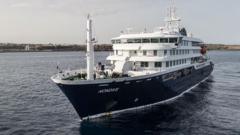
The World Health Organization moved to contain fears about a hantavirus outbreak aboard a cruise ship, clarifying that the virus does not pose pandemic risk comparable to COVID-19. The WHO distinguished hantavirus transmission patterns, which differ fundamentally from the coronavirus that sparked the global health crisis.
Hantavirus spreads through contact with infected rodent droppings, urine, or saliva rather than person-to-person transmission. This transmission route severely limits outbreak potential on a cruise ship, where close human contact dominates. The virus primarily affects individuals in direct contact with contaminated rodent materials, not through respiratory droplets or casual interaction among passengers and crew.
The outbreak triggered alarm given cruise ship environments and their vulnerability to rapid disease spread. Previous health emergencies aboard vessels demonstrated how confined quarters accelerate contagion. However, hantavirus biology operates differently. Without person-to-person transmission, the outbreak remains contained to those exposed to rodent contamination sources.
The WHO's statement underscores the critical distinction between pandemic-capable pathogens like SARS-CoV-2 and zoonotic viruses with limited human transmission capability. COVID-19 spread explosively through respiratory contact, enabling rapid global dissemination. Hantavirus requires direct exposure to rodent vectors, constraining its reach within passenger populations.
Cruise industry officials and public health authorities implemented standard containment measures, including identifying exposed individuals and implementing sanitation protocols targeting rodent populations. The virus remains a health concern for affected individuals but carries negligible risk of triggering widespread community transmission.
THE TAKEAWAY: Hantavirus poses a localized health threat rather than a pandemic precursor because its rodent-dependent transmission prevents human-to-human spread that characterized COVID-19.