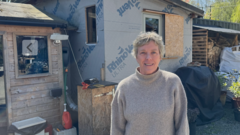
Jane and Tony Coyle have spent seven years trapped in a temporary shed while waiting for planning permission to rebuild their home. The couple's predicament stems from River Lugg pollution levels that forced local authorities to restrict new building projects in the area.
The River Lugg, which flows through Herefordshire, England, has become so contaminated with nitrogen and phosphates from agricultural runoff and sewage that it breaches environmental limits set by the Environment Agency. These nutrient overloads trigger algal blooms and oxygen depletion, killing aquatic life and rendering the river ecologically unstable.
Under European water quality directives adopted into UK law, local planning authorities cannot approve new housing developments in catchment areas where rivers fail environmental standards. The logic is sound: new homes mean more residents, more wastewater treatment, and greater nutrient inputs to already-stressed waterways. But for the Coyles, this protection mechanism has become a personal crisis.
Their original home was damaged, leaving them dependent on temporary accommodation on their own land. The planning freeze persists because the River Lugg's ecological recovery remains stalled. Nutrient levels continue exceeding safe thresholds, blocking any new construction permits in the designated area.
The Coyles' story exemplifies a broader tension in British environmental policy. Water companies face mounting pressure to reduce sewage discharges and improve treatment infrastructure. Farmers must adopt practices limiting fertilizer runoff. Meanwhile, communities caught in pollution hotspots experience paralysis. Housing restrictions protect river health but devastate individual families unable to rebuild.
Local councillors and MPs have advocated for the Coyles' case, but relief requires either meaningful investment in wastewater treatment and agricultural reform across the catchment, or a shift in how planning authorities balance environmental protection against human hardship.
THE BOTTOM LINE: Seven years in a shed illustrates how environmental regulations designed to save rivers can trap ordinary families in limbo while waiting for systemic pollution fixes.