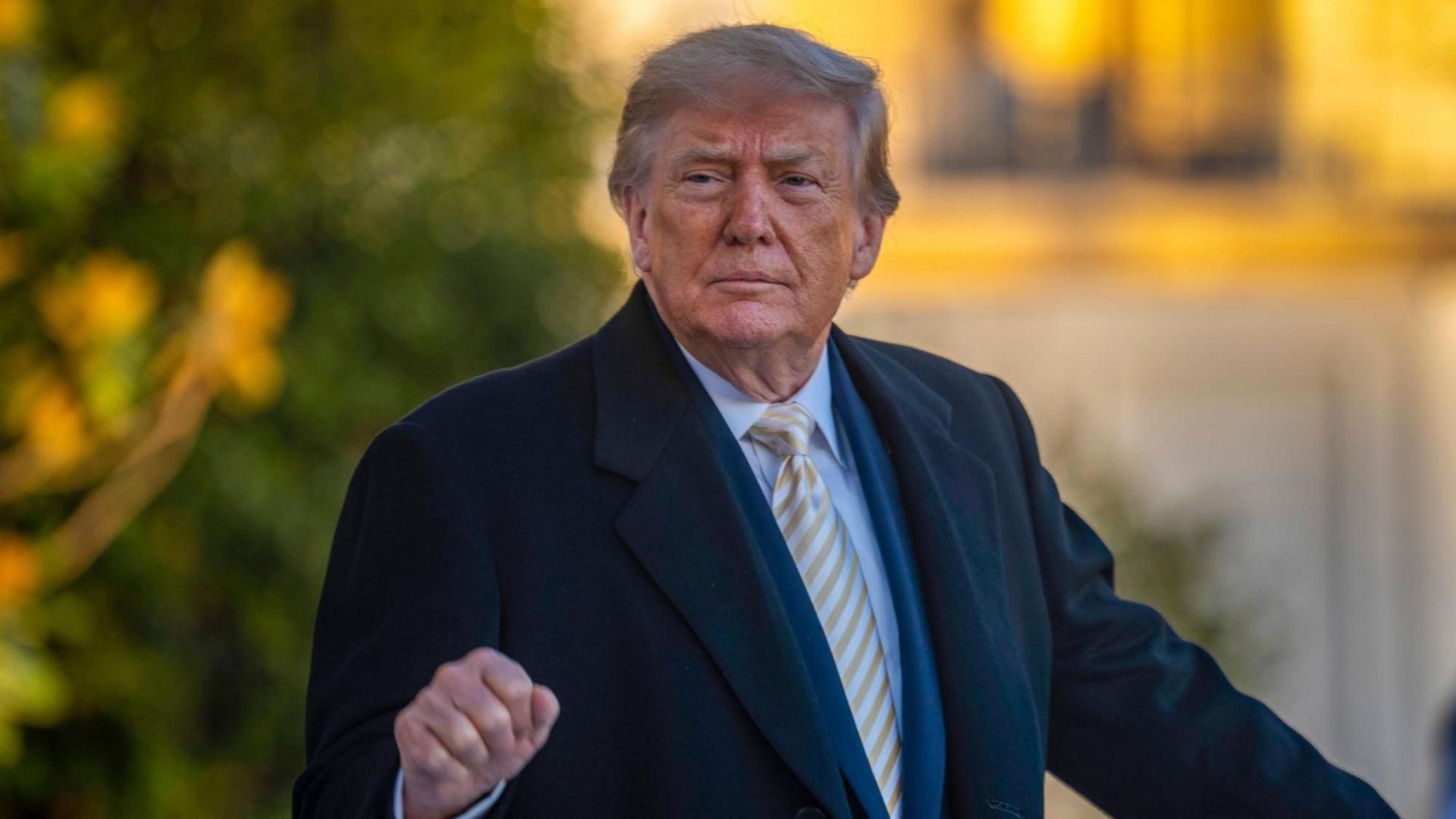
President Donald Trump has announced fresh tariffs on imports from 14 jurisdictions, including China, the European Union, Vietnam, Japan, South Korea and Taiwan. China faces the highest proposed rate at up to 40%, Vietnam at up to 35%, and others at either 20% or 25%. The US Trade Representative said the tariffs aim to address foreign trade practices that harm American manufacturing, citing decades-long strategies by trading partners involving "targeting manufacturing, wage and labor suppression" and "market distorting practices."
The White House began investigating these trade practices in March after the Supreme Court ruled Trump's previously announced Liberation Day tariffs illegal. The new duties are not expected to take effect until next year and require rounds of public consultation and potentially hearings. The USTR's Jamieson Greer said the tariffs would "level the playing field for American workers."
Affected countries have rejected the announcement. Brazil expressed "outrage" at a separate 10% tariff proposal, with President Luiz Inacio Lula da Silva's office stating "Brazil will not yield to such threats." Vietnam's Deputy Prime Minister said the rates are inconsistent with bilateral cooperation. Japan called the tariffs "regrettable." The European Commission rejected them, noting they exceed a 15% limit previously agreed with the US. South Korea's trade minister said its 15% rate aligns with an earlier trade deal.
Some economists have warned tariffs can fuel inflation and push consumer prices up if businesses pass on higher costs. Stephen Brown, chief North America economist for Capital Economics, said the announcement was "not as alarming as it looks" because the new tariffs "essentially replace" previously announced ones from summer, with the effective tariff rate increase likely smaller than initially assumed.