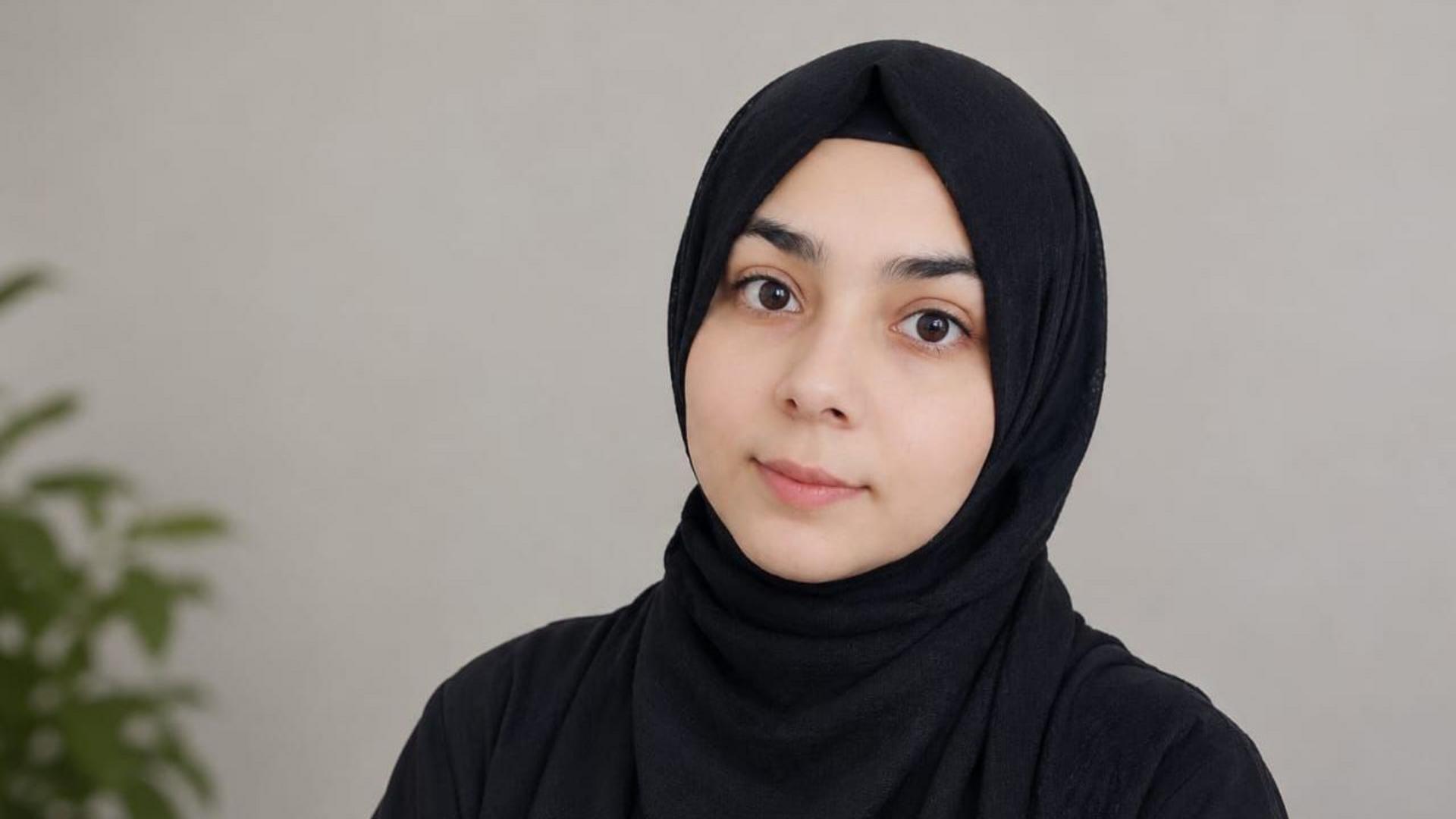
The UK Home Office suspended study visas for Afghan nationals in March 2025, leaving women who had secured university places unable to pursue their education. Shahira Sadat, a software engineer in Kabul, had received three acceptance letters for master's degrees in AI and machine learning from Sussex, Bradford and Northeastern University London, as well as an interview invitation for a Chevening Scholarship. After the visa brake was announced, she was rejected because of her nationality. "It was really heartbreaking. I lost all my motivation. I cried for hours and hours," Sadat said.
The Home Office said the suspension was a response to widespread visa abuse and a sharp rise in asylum claims from Afghanistan and three other countries. Home Secretary Shabana Mahmood stated she was "taking the unprecedented decision to refuse visas for those nationals seeking to exploit our generosity." The Home Office previously said that between 2021 and September 2025, Afghan asylum claims amounted to 95 percent of study visas issued.
Another Afghan woman, identified as Alia, also had her offers for a digital media master's degree withdrawn. She had attended a secret school to prepare for an English language test, in defiance of Taliban restrictions, and faced additional obstacles including finding test centres willing to admit female students and locating universities willing to recognise Afghan degrees.
Afghan women face severe restrictions under Taliban rule, including bans on secondary school and university education and restrictions on most forms of work. The Home Office pointed to the reopening of the UK Resettlement Scheme for refugees and new "named sponsorship and refugee study routes," but did not clarify whether these would be available to women in Afghanistan who are not classified as refugees or how many places would be allocated to Afghans.
Data from the Higher Education Statistics Agency shows fewer than 400 of more than 680,000 international students in the UK in 2024-25 were from Afghanistan.