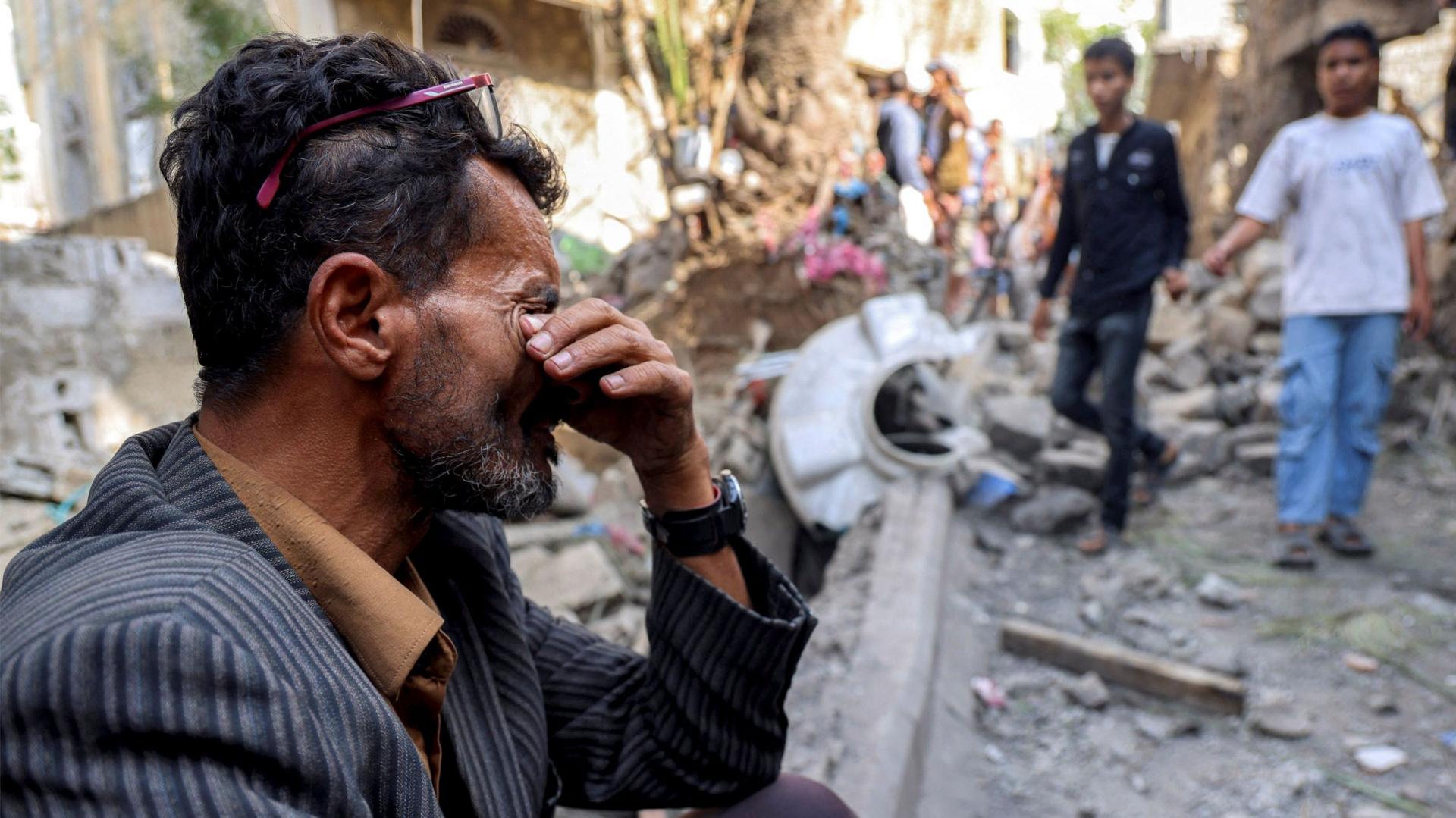
Houthi forces have fully encircled the Yemeni city of Taiz, cutting off a population estimated between 600,000 and 1 million from the outside world, according to accounts from residents and local officials.
The siege, which tightened last month, has killed more than 140 civilians since August, according to Taiz's Office for Siege Affairs. Minimal food supplies now enter the city, and prices for staples like rice, sugar and cooking oil have doubled or tripled. Medicine, water and fuel are running low.
An emergency room doctor told the BBC that the hospital can operate for two more weeks "maybe," with sterilising fluid for surgical instruments in short supply. Taiz's governor, Nabil Shamsan, says hospitals have lost 70 percent of their capacity and 120 health centres have closed. He reports that dozens of residents are buried daily, and that deaths result not only from shelling and sniper fire but from supply shortages, lack of food and loss of income.
Residents describe a city where schools are closed, restaurants shuttered, and streets largely empty. Schools and many residents avoid phone calls because Houthis control mobile carriers. "Sometimes it feels like the city has become a huge prison," says Ashwaq, a teacher and mother of three.
The Houthi leader, Abdul Malik al-Houthi, has denied Taiz is besieged and claimed last month that routes remain open for food, medicine and humanitarian aid. That claim is denied by Taiz's government, residents, aid agencies and the United Nations.