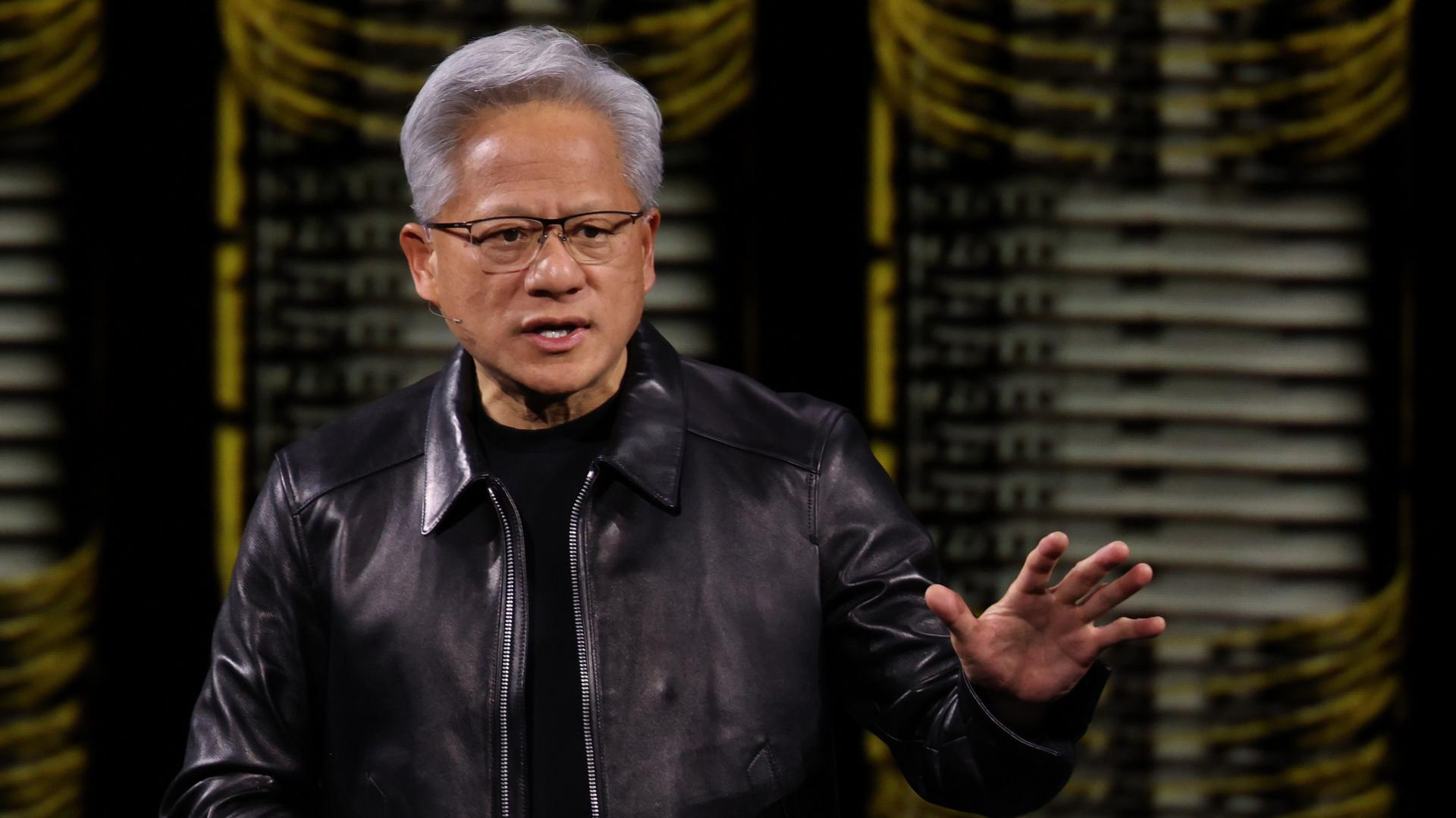
Jensen Huang has stepped down as Nvidia CEO, and US intelligence reports allege that his extramarital affair with Chinese businesswoman Alice Huang involved a woman with ties to China's Ministry of State Security. Beijing denies the claims as a smear. The scandal has reignited debate in Washington over whether the Trump administration has been too lenient on chip exports to China at a moment when Trump and Xi Jinping are preparing to meet this week.
The Trump administration introduced new export restrictions on Chinese firms accessing advanced US chips through data centres in third countries like Malaysia and Thailand. Beijing called the rules "economic coercion." Democrats in Congress have signalled they will push for stricter limits on AI chip sales to China. Nvidia's Huang has advocated lifting export bans, arguing they do not pose a national security risk. The US views advanced chips as critical to national security because they enable military and surveillance capabilities.
Both governments have incentives to prevent the spy allegations from derailing talks. China's economy needs trade flows to continue, and Trump seeks foreign policy wins and Xi's potential help on the Middle East conflict. Last year the two countries were negotiating a trade truce after a tariff war nearly halted bilateral commerce. In late 2025, the Trump administration permitted sales of advanced Nvidia H200 chips to China, seen as a signal both sides were seeking cooperation.
Chinese state media drew parallels to the 2023 incident when a suspected Chinese surveillance balloon drifted over the US and was shot down, leading to cancelled diplomatic visits and deteriorated relations. Beijing has warned that history shows spy scandals can quickly overwhelm diplomatic efforts.