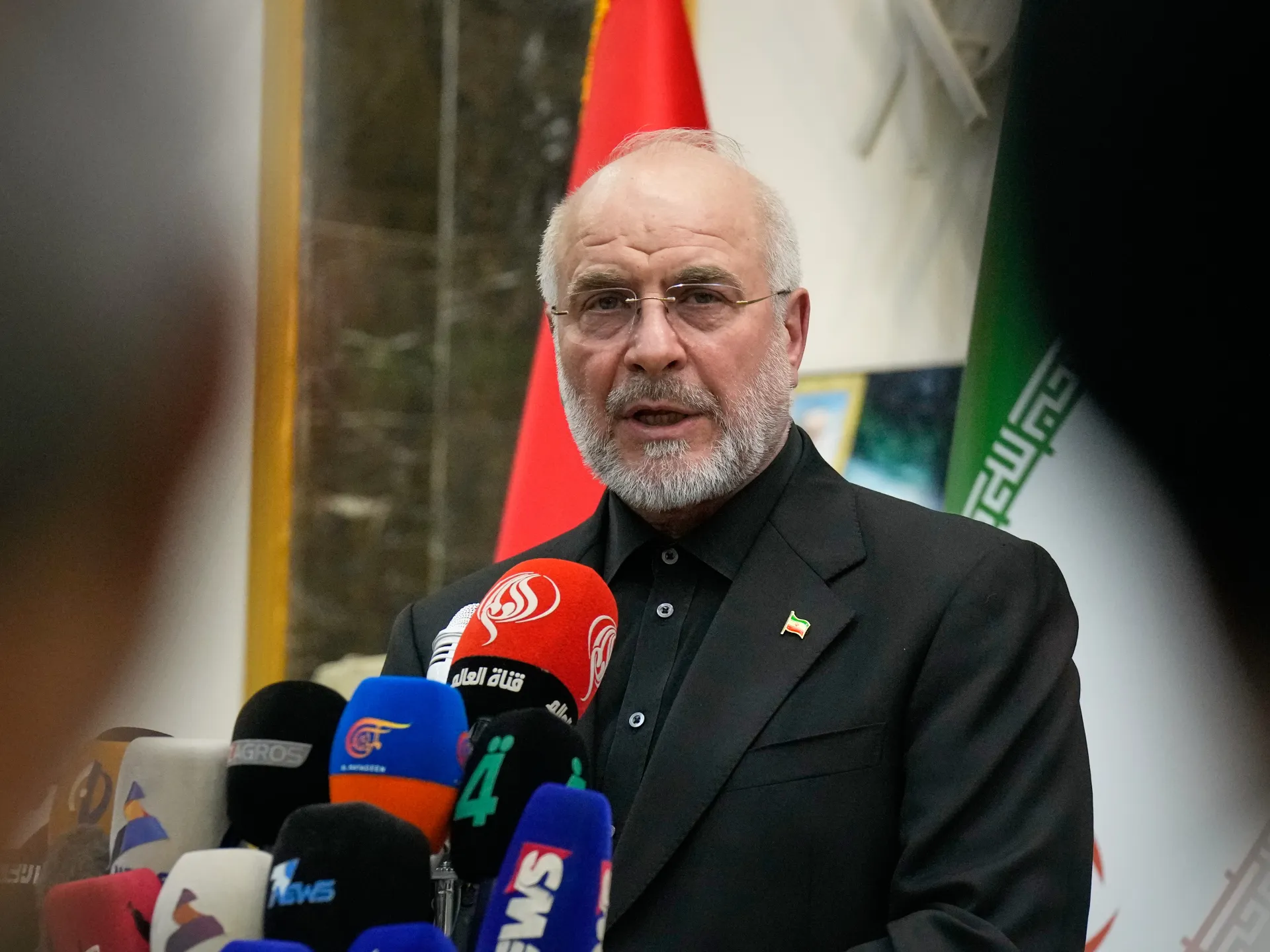
Mohammad Bagher Ghalibaf, Iran's parliament speaker and top negotiator, told Al Jazeera that the Strait of Hormuz will "never return" to its pre-war status and said Iran and Oman reached an understanding to oversee the critical waterway.
Ghalibaf stated that the strait is governed by the laws of its two bordering states, not international law. He said Iran submitted seven conditions for ending the eight-month conflict through a Qatari mediator and is awaiting an official US response.
Iran's conditions include lifting the US naval blockade and sanctions, releasing Iranian frozen funds, ending fighting on all fronts, and an explicit announcement of war's end. Ghalibaf said these demands were part of a memorandum signed in June and must be implemented before negotiations with the US can begin.
"The ball is now in the American court," Ghalibaf said. He added that trust remains the obstacle to agreement, stating "What stands in the way of an agreement is our lack of trust in the United States." He said if the US adheres to what was agreed upon without excessive demands, "reaching an agreement is possible."
Ghalibaf said US officials asked Russian President Vladimir Putin to mediate direct negotiations with Tehran during a Moscow visit. He warned against new US attacks, saying Trump would face defeat and political pressure from Congress in January. Iran is determined to move beyond "no war and no peace" and maintain military capabilities, Ghalibaf said.
On Yemen, Ghalibaf said no one should interfere but added Iran would offer assistance if both Yemen's government and Saudi Arabia requested help.