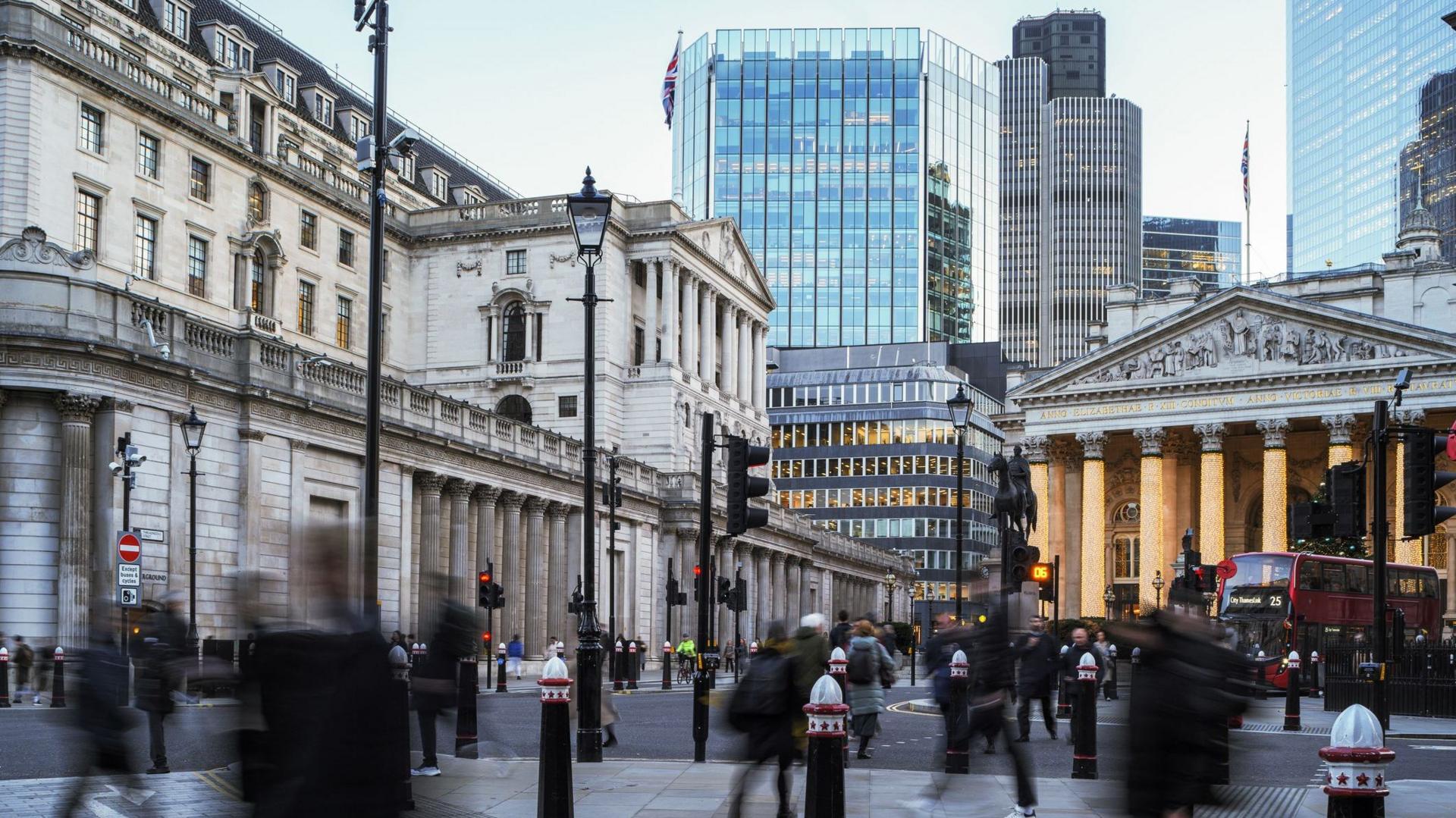
The Bank of England is expected to raise its benchmark interest rate to 4% on Thursday, marking the first increase in more than three years. Most analysts predict the rate will rise from 3.75%, a move that would increase borrowing costs for individuals and businesses but boost returns for savers.
The Bank's Monetary Policy Committee has held rates unchanged at the last six meetings. The rate peaked at 5.25% in 2023-24 before falling to its current level. The last rate increase occurred in August 2023.
Rising inflation, driven primarily by fuel costs, is pushing the decision. The Consumer Prices Index reached 3.5% in the year to September 2026, up from 3.1% the previous month and well above the Bank's 2% target. The ongoing Iran war has contributed to higher energy and fuel costs affecting UK inflation.
The announcement will come at 12:00 GMT Thursday. Chris Cheverall, head of UK at CMC Markets, said the focus now shifts to what happens after the quarter-point rise. "A quarter-point rise is already widely expected, but the Bank now has to balance inflation that is still too high against an economy where the growth outlook has weakened sharply," he said.
A 0.25 percentage point rise would increase monthly repayments by £31 for tracker mortgage-holders with typical loans, according to UK Finance. Variable mortgage-holders would see roughly £14 added monthly, though this depends on lender response. Those on fixed-rate deals face no immediate payment changes, but lenders have already factored the expected rise into new quotes.
The average two-year fixed mortgage rate stood at 5.96% as of 4 November, while five-year rates reached 5.99%. Savers could see improved interest rates in response to any Bank rate increase.